Edmonton Real Estate
Newest listings
- 2345 139 Avenue NW, Edmonton$239,900
- 293 Griesbach Road NW, Edmonton$629,800
- #4 14620 26 Street NW, Edmonton$179,900
- 8628 135 Avenue NW, Edmonton$449,000
- 11431 88 Street NW, Edmonton$314,000
- 12009 49 Street NW, Edmonton$199,000
Edmonton is not one housing market. It is several dozen, sitting inside one set of city limits, and the number you get by averaging them describes none of them.
That is the first thing to understand about buying or selling here, and it is the reason a city-wide statistic is close to useless for your decision. The feed below counts everything from a small condo to an estate property in the west end. A single average across that spread tells you nothing about the eight houses you are actually choosing between.
What matters is which Edmonton you are in.
Mature inside, built new outside
The defining split runs between the mature neighbourhoods inside the Whitemud and Yellowhead, and the subdivisions still being built on the edges.
Inside, in areas like Ritchie, Westmount, Highlands, Bonnie Doon, Glenora and Crestwood, you are frequently buying a lot with a house on it rather than the other way around. Housing stock runs from pre-war to the seventies. Lots are wide by modern standards, the trees are mature, and the value sits substantially in the land and the location. Two houses on one block can be far apart on price for reasons that have nothing to do with square footage.
Outside, in Windermere, Keswick, Laurel, Tamarack, Charlesworth, Rosenthal and the rest of the growing edge, the logic inverts. The land is a commodity and the house is the product. You are competing with a builder who has a show home, current finishes and a price list. Sellers there are priced against new construction whether they like it or not.
Neither is better. They are different purchases, and advice that works in one is often wrong in the other.
Edmonton market right now
- House2915
- Apartment1368
- Townhouse862
- Duplex555
Market data updated October 15, 2026
Redevelopment value in the mature core
Edmonton's zoning was rewritten city-wide, and the practical effect for a seller in a mature neighbourhood is that some of the buyers looking at your house are not planning to live in it. They are pricing the lot for redevelopment.
If that is your street, your competition and your likely buyer are both different from what they were a few years ago, and a comparable sale from before the change may not reflect what your land is now worth. It cuts the other way too. If you are buying to live in a mature neighbourhood, you should know what can go up beside you.
Condos are their own market
A large share of the inventory here is condominium, and it does not behave like the detached market. Price is only part of the picture. Monthly fees, the reserve fund study, the age of the building envelope and the board's history of deferred work will affect your cost of ownership more than a twenty thousand dollar difference in list price.
Read the documents before you are emotionally committed to the unit, not after. A cheap condo in a building facing a special assessment is not cheap.
What buyers should know
Edmonton remains one of the more affordable major markets in the country, and the volume of choice is real. The count below is not a small number. That depth is an advantage, but only if you narrow it before you start, because touring across an undefined city is how people spend four months and make a rushed decision at the end of it.
Pick your neighbourhoods first, on commute, schools and the kind of housing stock you actually want. Then look at houses.
What sellers should know
You are one of a great many listings, which means nothing about your house is self-evident to a buyer scrolling. Photography, the first three lines of the description and the price are doing all of the work in the moment that decides whether you get a showing.
Price is the part sellers most often get wrong here, because in a market this deep an optimistic number does not generate an offer and a negotiation. It generates silence, and then a reduction that arrives after the listing has gone stale.
Working with Cameron
Cameron works out of Fort Saskatchewan and takes on buyers and sellers anywhere in Edmonton, including the many clients moving between the city and the communities around it.
He prices from comparables in the specific pocket you are in, rather than from a city figure that averages a condo and an acreage together.
If you are weighing a move, the conversation starts with an honest number.
Common questions
What do homes in Edmonton cost right now?
There are 5,898 active listings in Edmonton right now, with a median asking price of $424,900 and asking prices ranging from $9,000 to $7,290,000. These are asking prices on active listings, not sale prices, which board rules keep off public websites. For any one home, comparables from its own pocket of the community say more than a figure for the whole area.
Why is an Edmonton-wide average price misleading?
Because Edmonton is several dozen housing markets inside one set of city limits. The listings count everything from a small condo to an estate property, so a single average describes none of them. What matters is which Edmonton you are in: a mature neighbourhood where you are largely buying land and location, or a newer edge subdivision priced against new construction.
How do mature neighbourhoods differ from new subdivisions in Edmonton?
In mature areas such as Ritchie, Westmount, Highlands, Bonnie Doon, Glenora and Crestwood, much of the value sits in the lot and the location, and two houses on one block can differ widely in price. On the growing edge, in areas like Windermere, Keswick and Laurel, the land is a commodity and you are competing with a builder's show home and price list.
What should you check before buying an Edmonton condo?
More than the price. Monthly fees, the reserve fund study, the age of the building envelope and the board's history of deferred work will affect your cost of ownership more than a twenty thousand dollar difference in list price. Read the documents before you are emotionally committed to the unit. A cheap condo in a building facing a special assessment is not cheap.
How long are homes in Edmonton taking to sell?
Listings in Edmonton have been on the market for an average of 39 days. That figure blends every type of property, so a condo, a family home and an acreage can each move at a very different pace. What shortens the wait is price: a home listed where its own comparables support it moves faster than one testing the top of its range.
What kinds of homes are for sale in Edmonton?
Right now the Edmonton listings include 2,915 houses, 1,368 apartments, 862 townhouses and 555 duplexes. The mix changes with every daily update of the feed, and it matters when you read the prices on this page: a median across houses, condos and land blends very different properties, so comparables should always come from the same type of home.
Homes for sale in north & northeast Edmonton
-
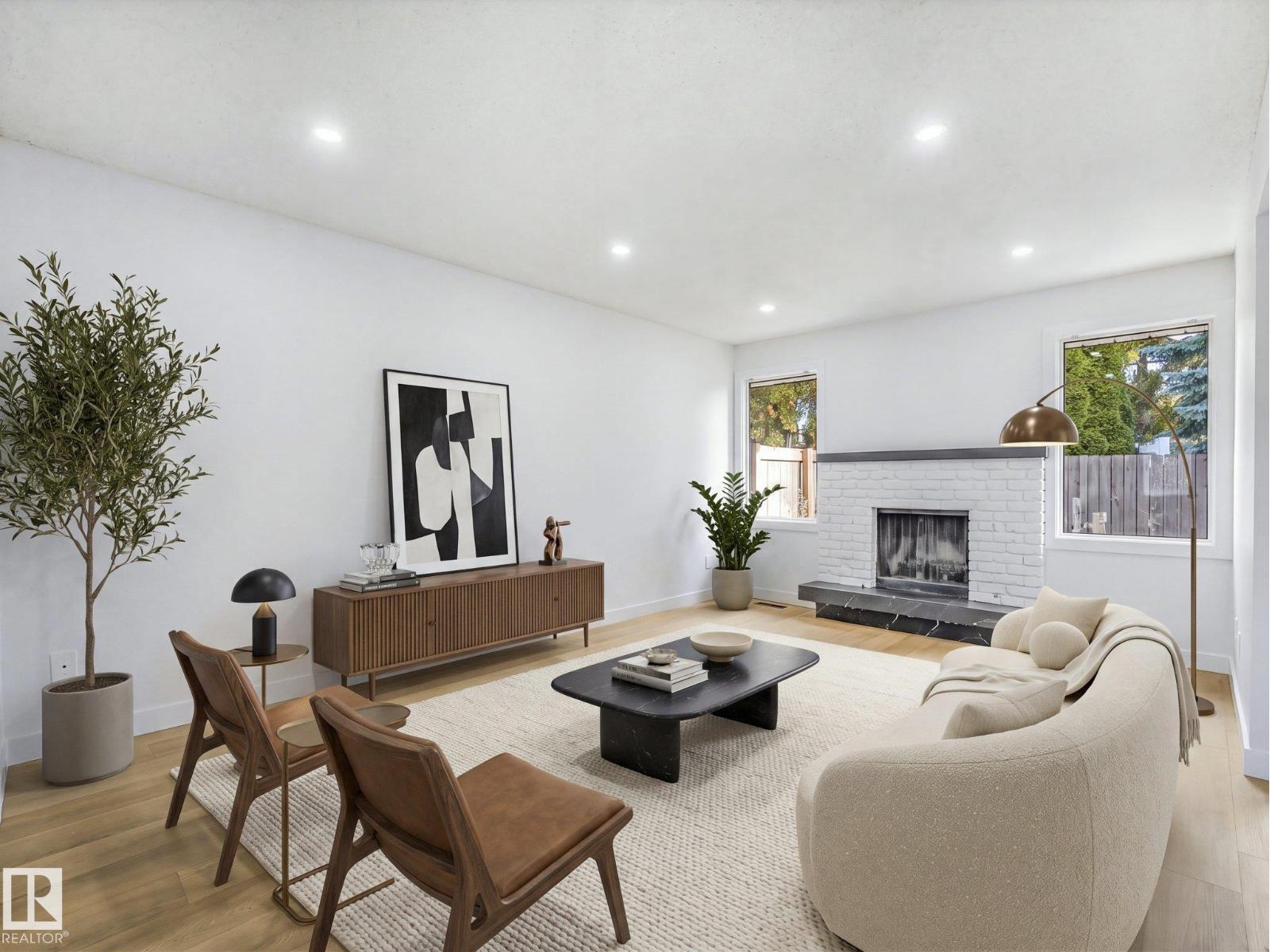 Courtesy Of David Estephan Of KIC Realty2345 139 Avenue NW, Edmonton4 bd · 2 ba · 1,020 sq ft · 0.06 ac$239,900
-
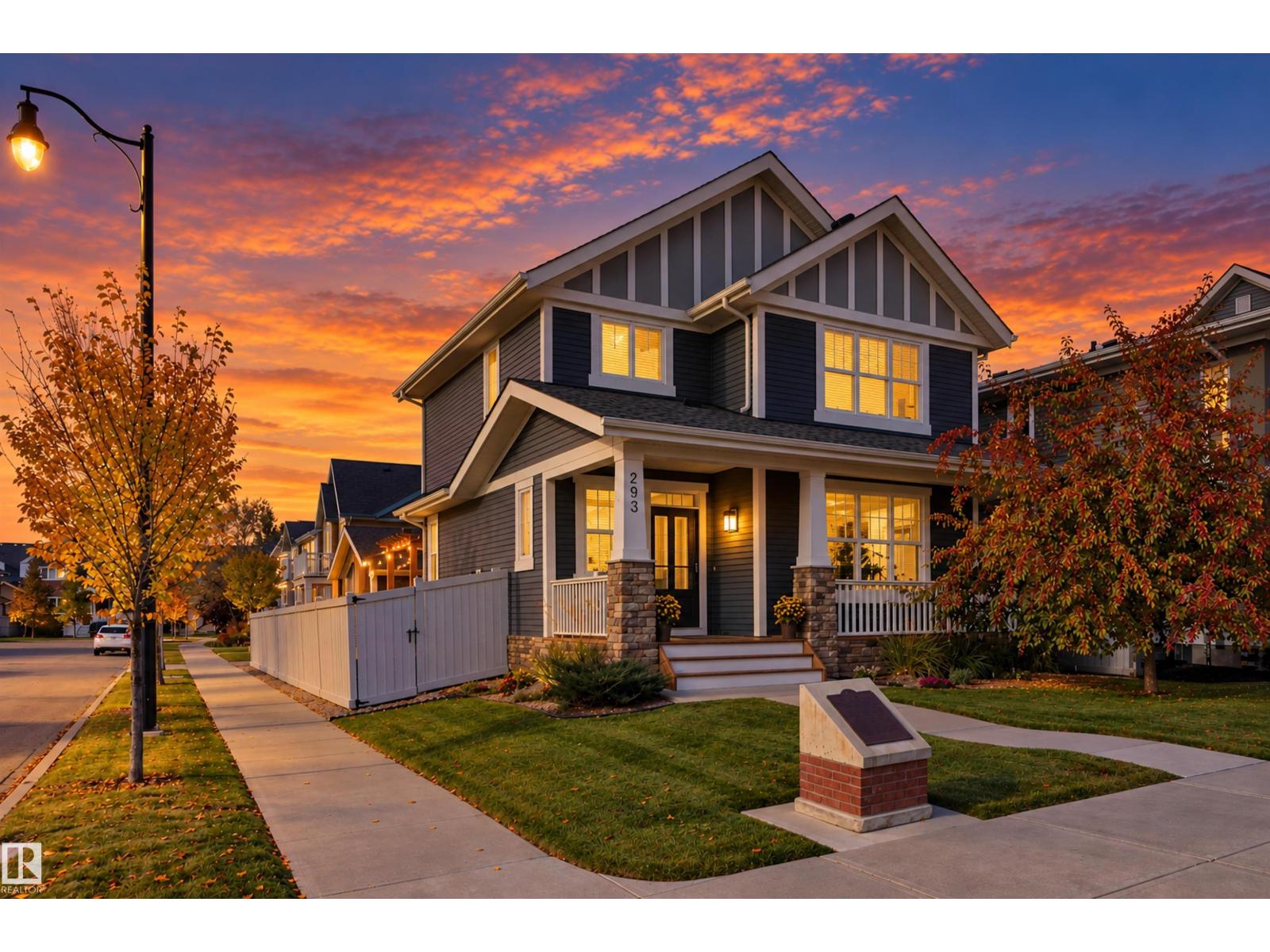 Courtesy Of Joe Esposito Of Century 21 Masters293 Griesbach Road NW, Edmonton4 bd · 4 ba · 1,815 sq ft · 0.1 ac$629,800
 -
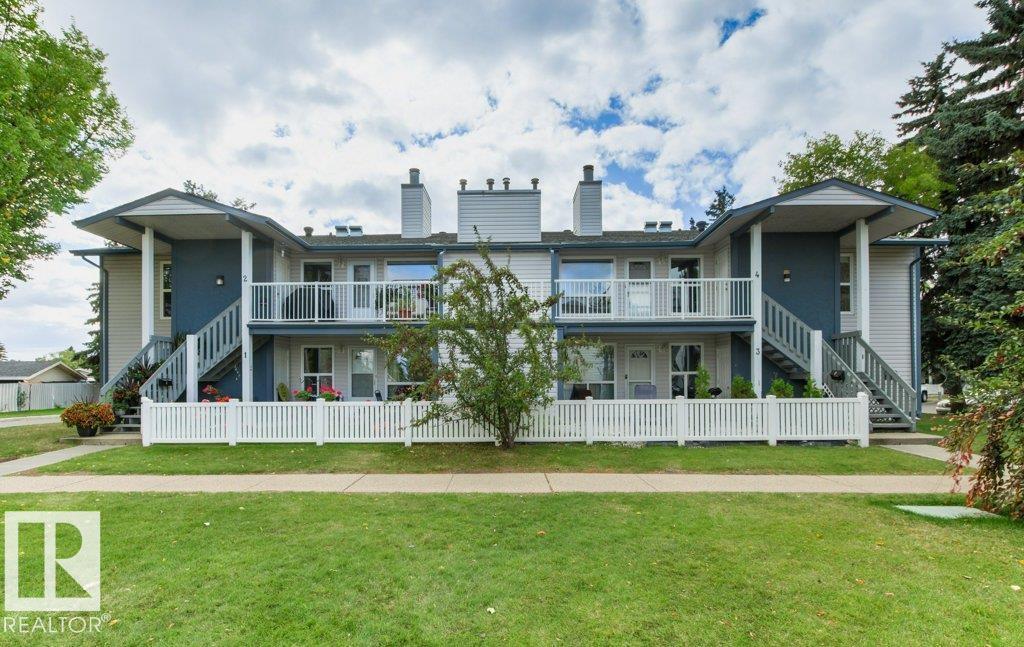 Courtesy Of Jeremiah Townsend Of MaxWell Progressive#4 14620 26 Street NW, Edmonton2 bd · 1 ba · 1,107 sq ft$179,900
 -
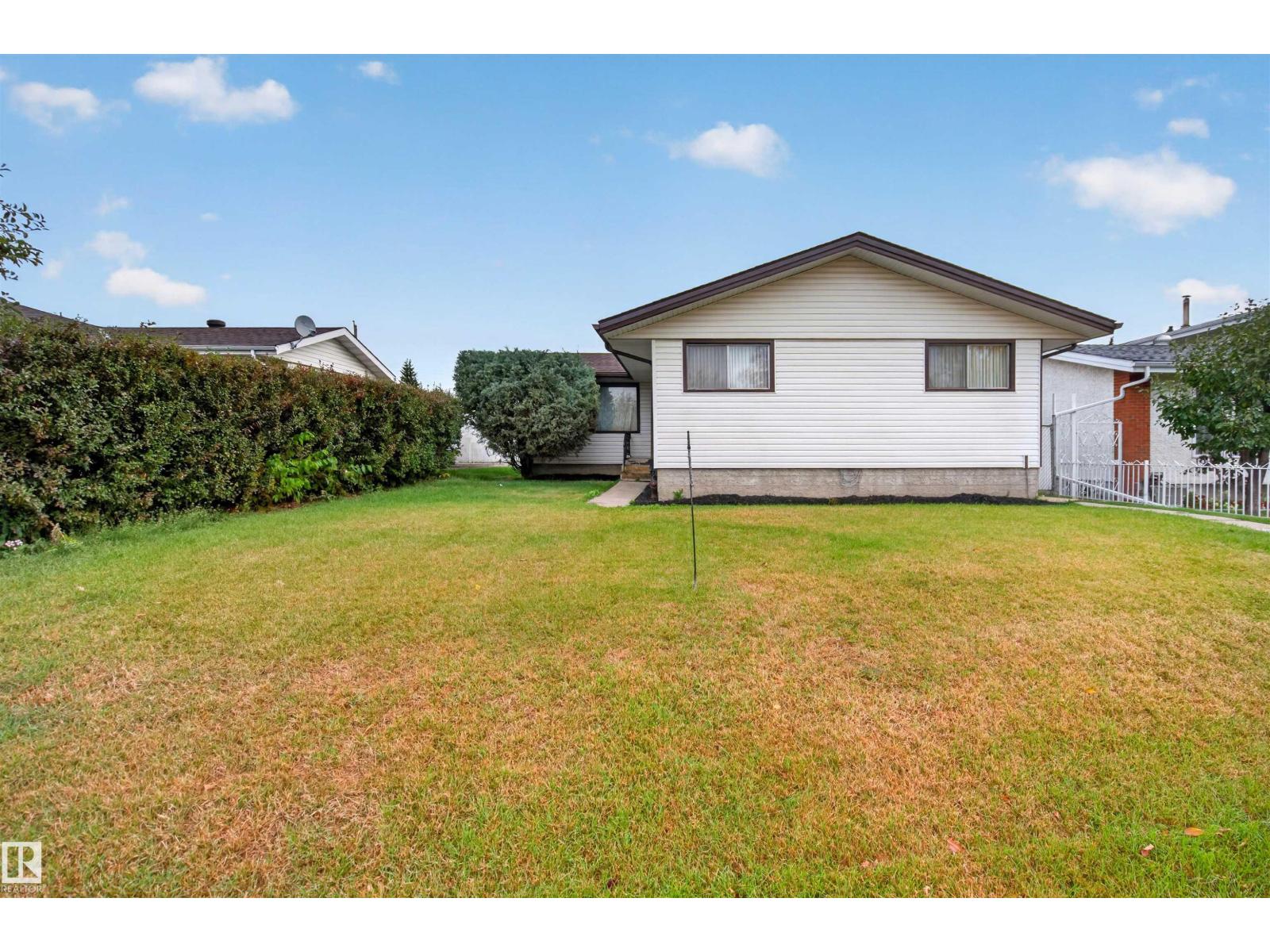 Courtesy Of Bennett Geldart Of RE/MAX Excellence8628 135 Avenue NW, Edmonton5 bd · 2 ba · 1,080 sq ft · 0.15 ac$449,000
 -
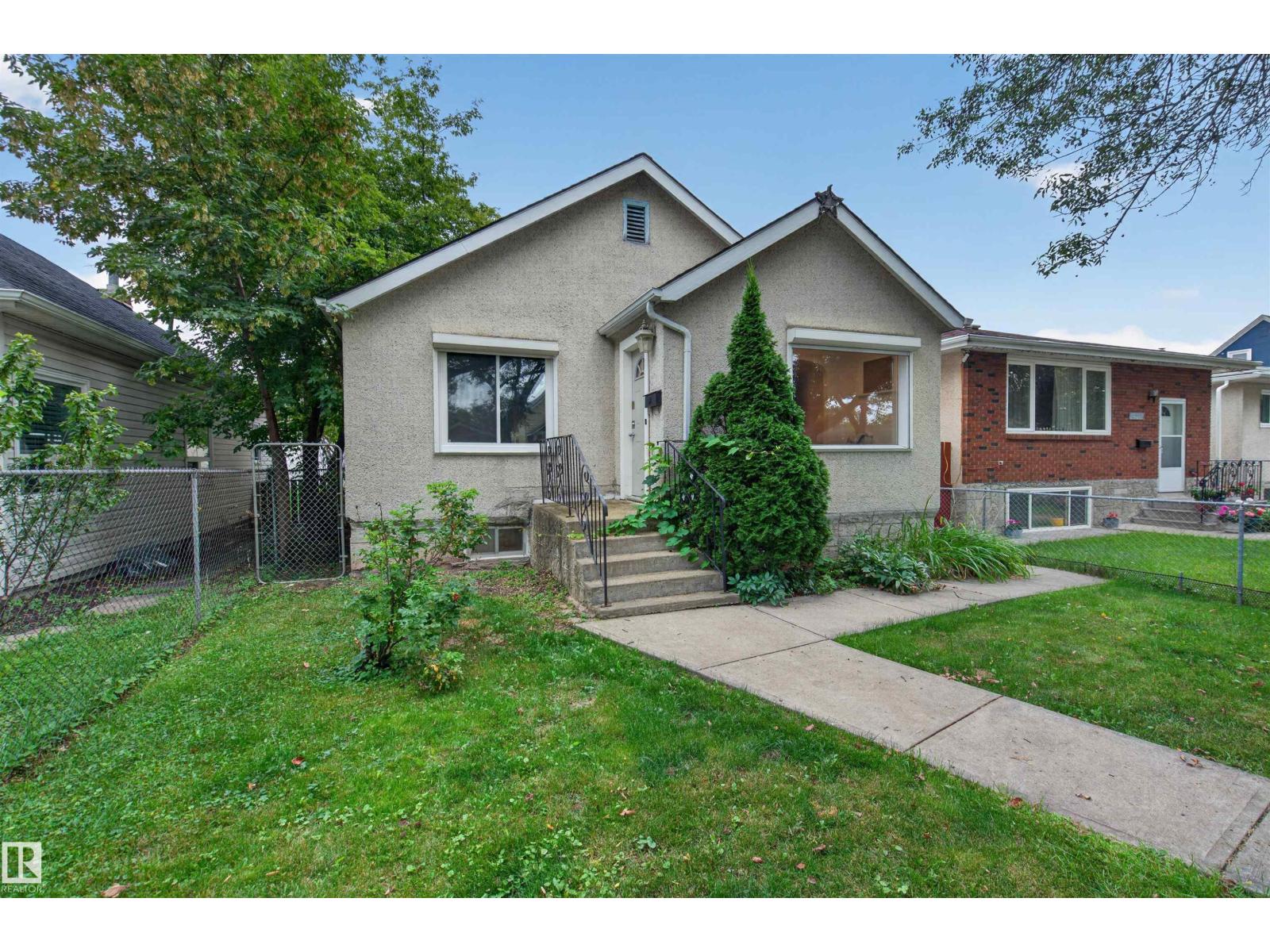 $314,000
 -
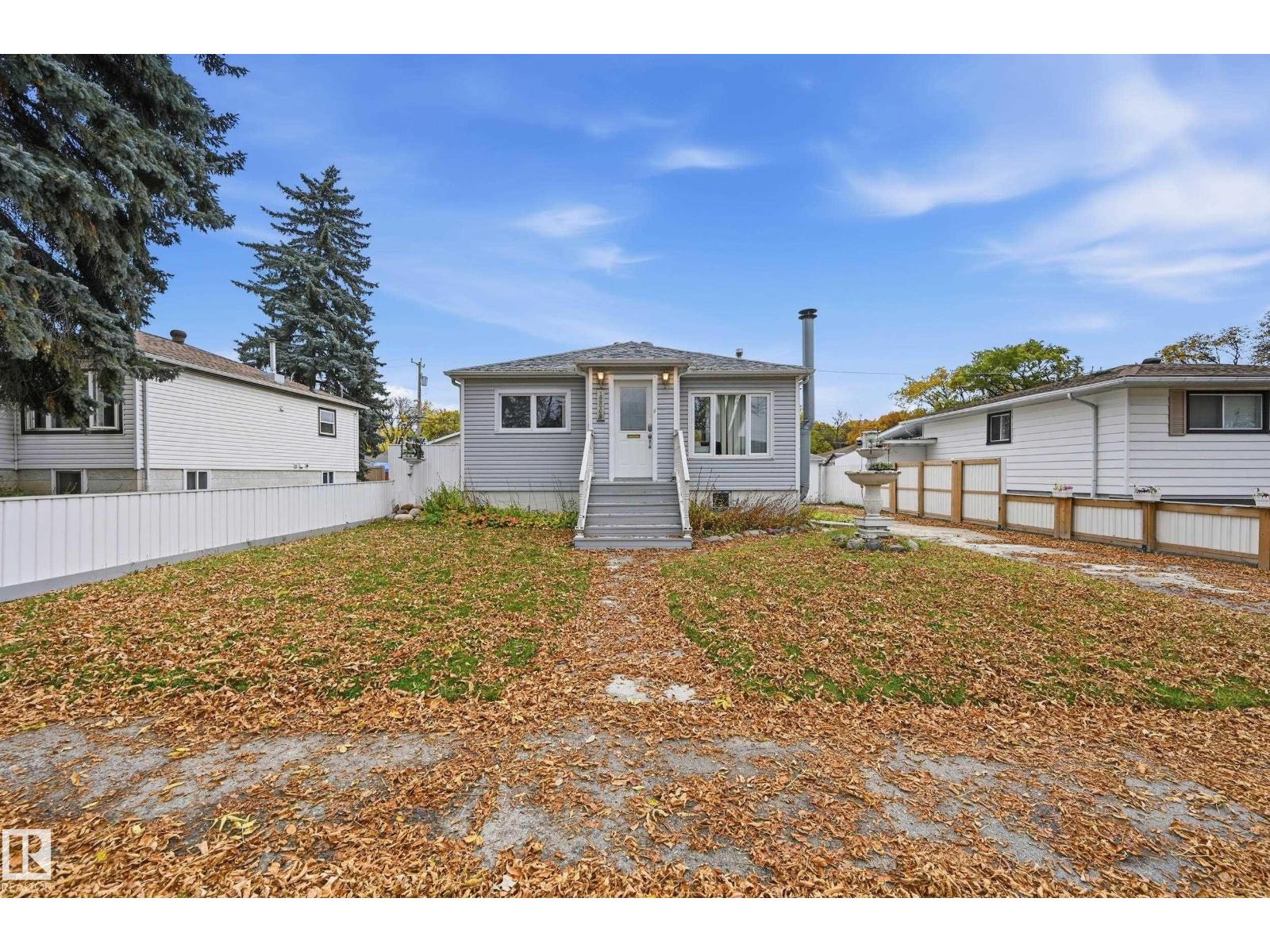 Courtesy Of Alan Gee Of RE/MAX Excellence12009 49 Street NW, Edmonton3 bd · 2 ba · 767 sq ft · 0.14 ac$199,000
 -
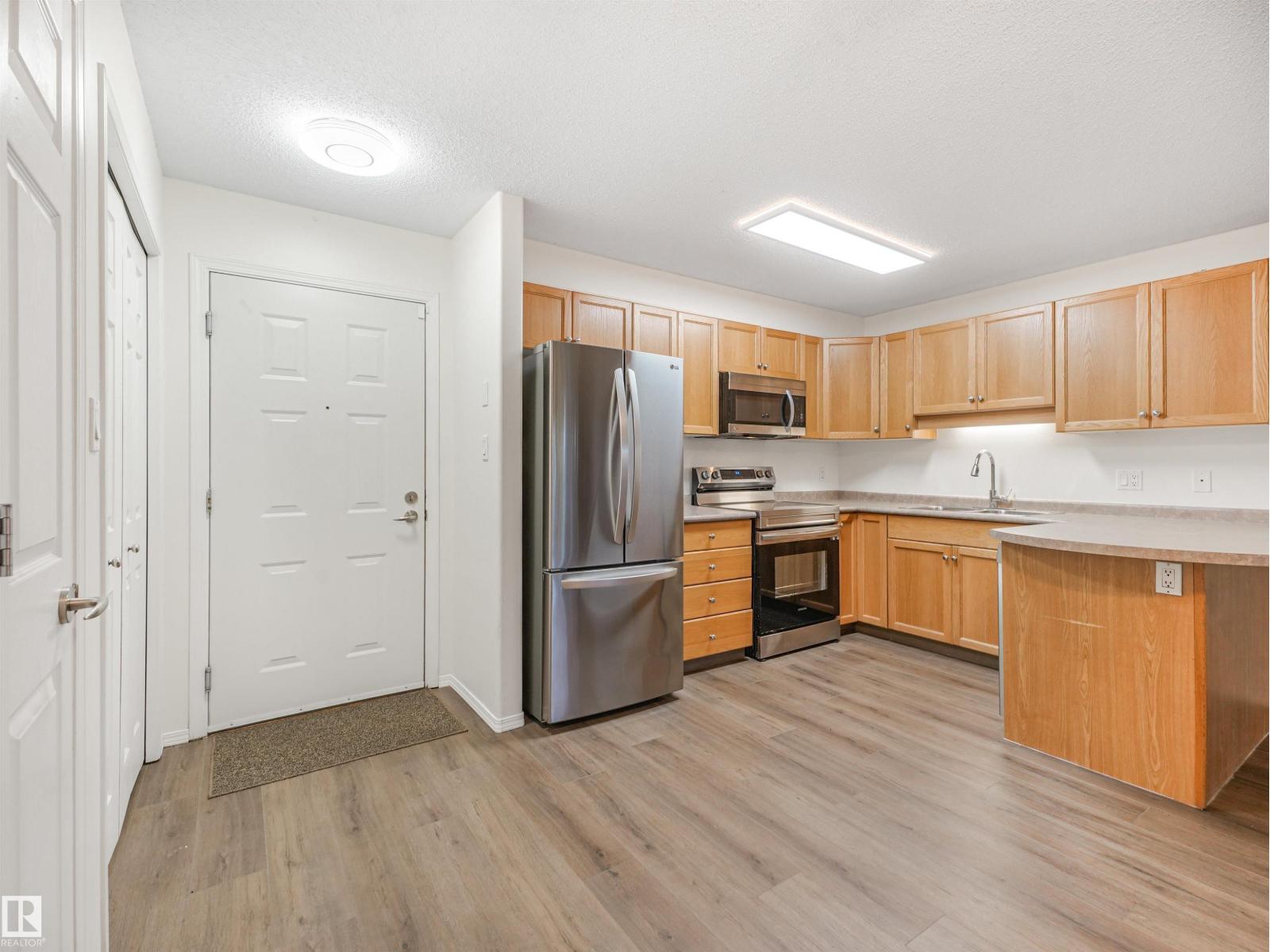 Courtesy Of Katelin Biffert Of Exp Realty#112 13635 34 Street NW, Edmonton1 bd · 1 ba · 645 sq ft · 0.02 ac$129,900
 -
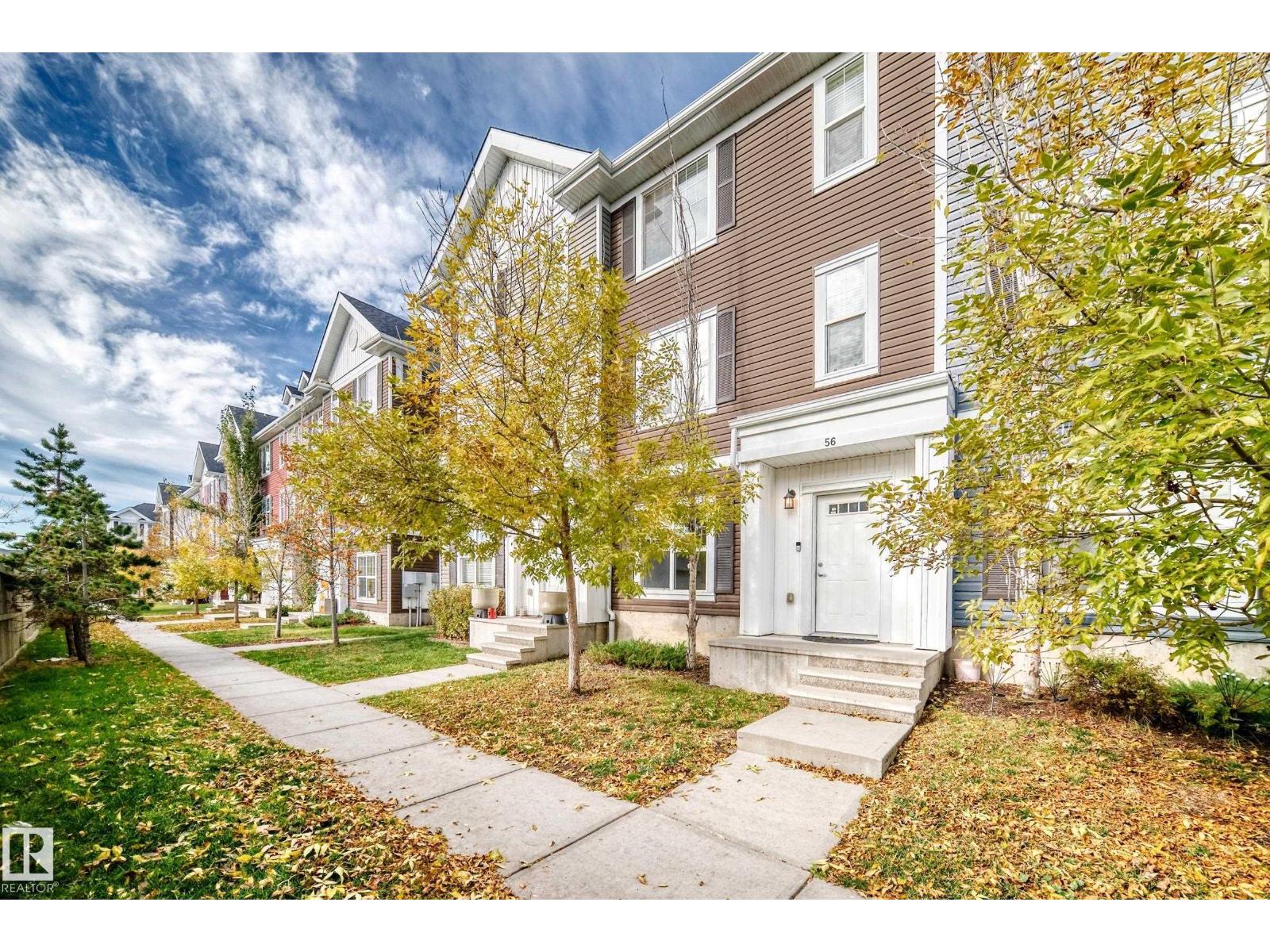 Courtesy Of Ivan Falcos Of Lux Real Estate Inc#56 903 Crystallina Nera Way NW, Edmonton3 bd · 3 ba · 1,541 sq ft · 0.04 ac$340,000
 -
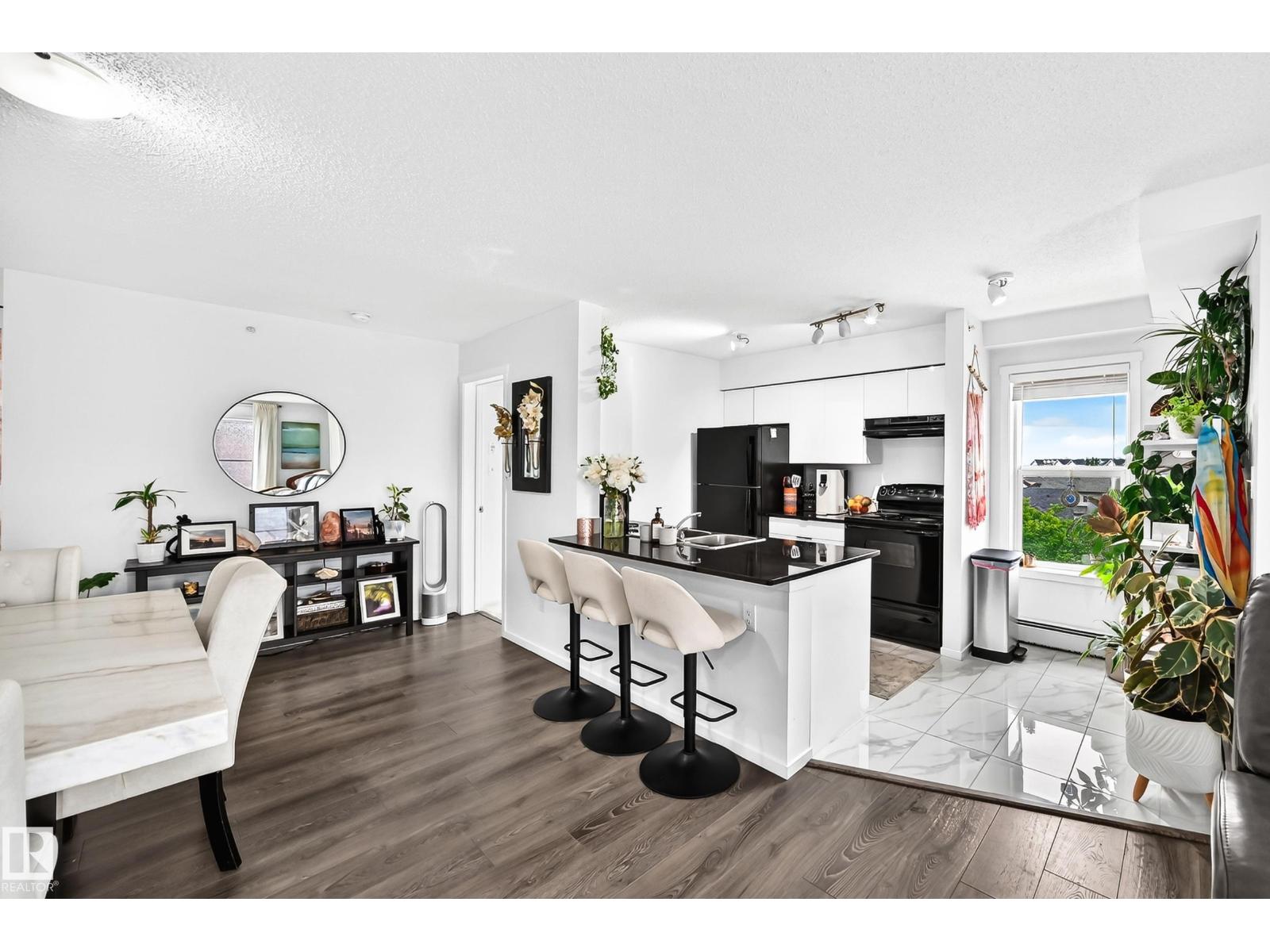 Courtesy Of Kevin Kinsella Of Royal Lepage Arteam Realty#423 18126 77 Street NW, Edmonton2 bd · 2 ba · 1,009 sq ft$239,900
 -
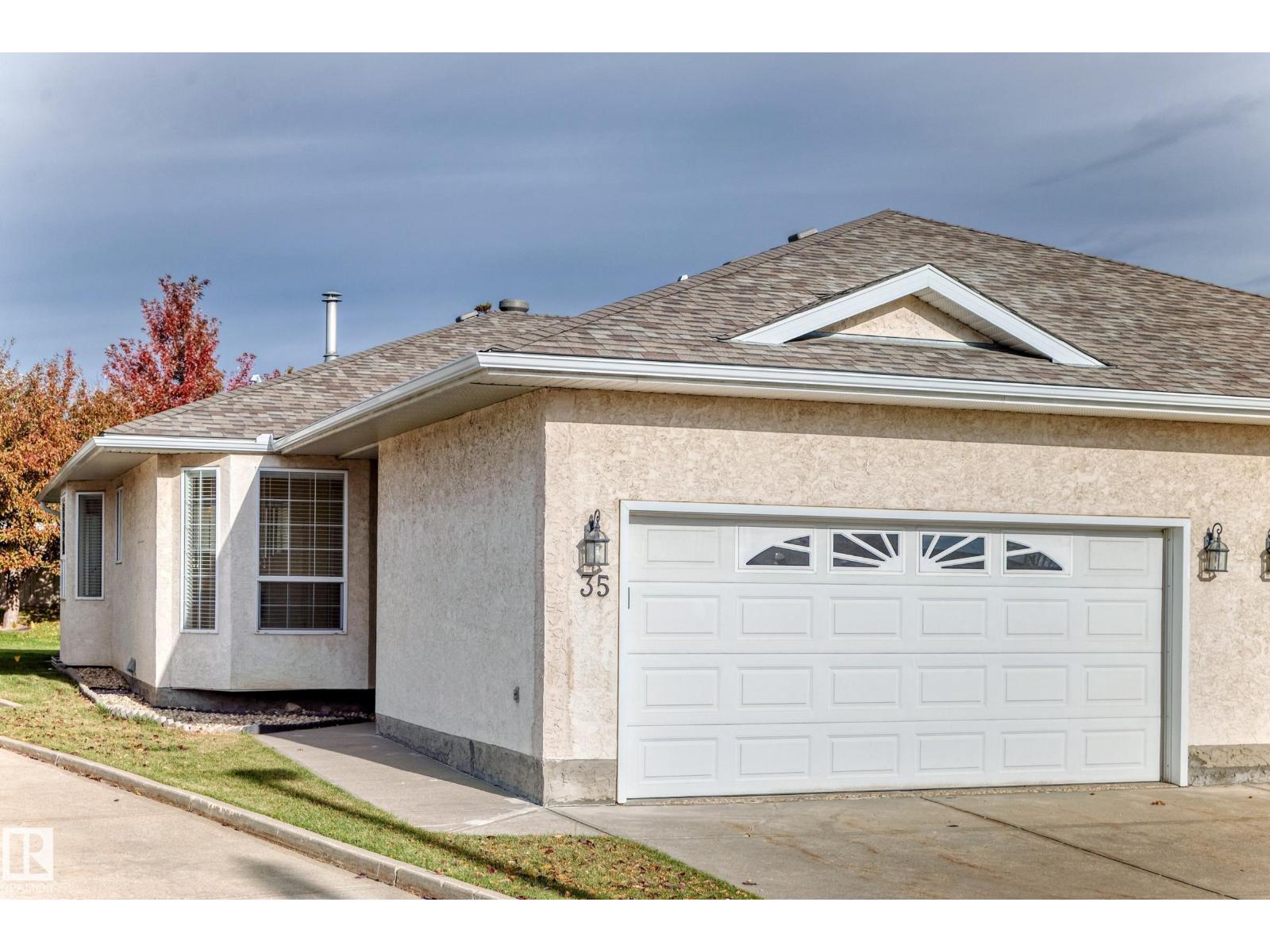 Courtesy Of Brett Winegarden Of Royal Lepage Arteam Realty#35 14428 Miller Boulevard NW, Edmonton3 bd · 3 ba · 1,109 sq ft · 0.09 ac$359,900
 -
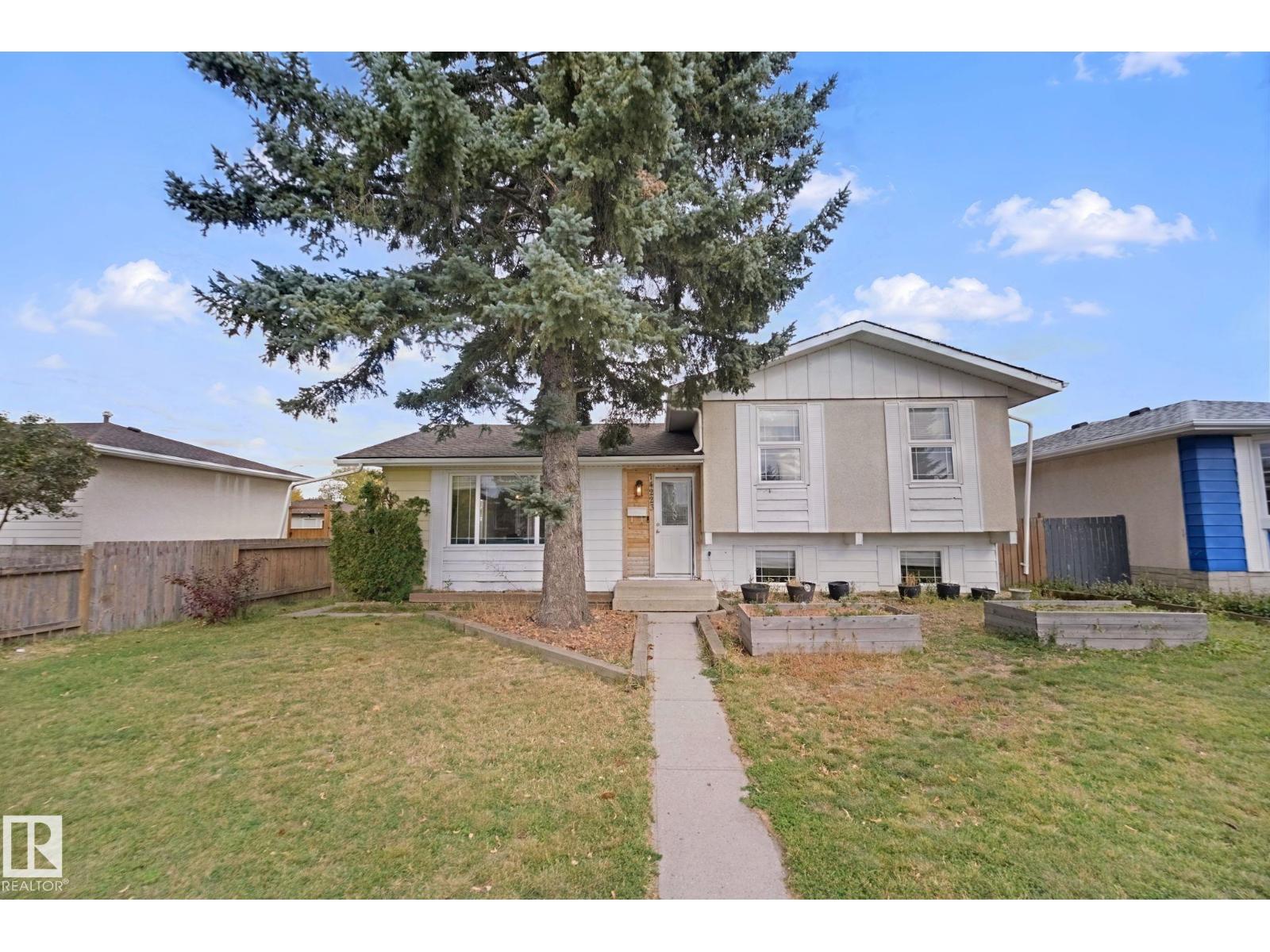 Courtesy Of Taleb Choucair Of REMAX River City14223 83 Street NW, Edmonton4 bd · 2 ba · 1,195 sq ft · 0.15 ac$425,000
 -
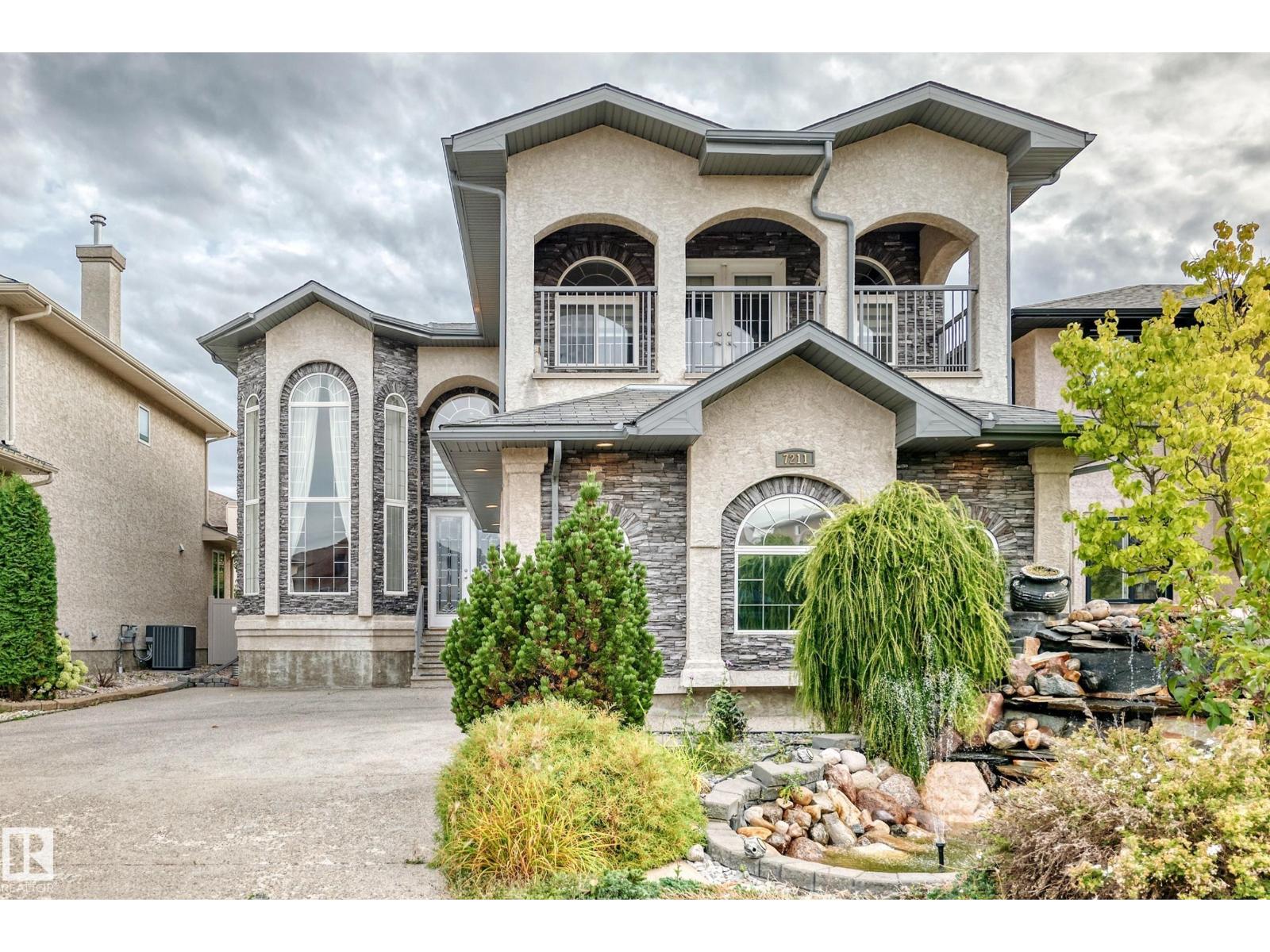 Courtesy Of Khal Moustarah Of MaxWell Progressive7211 170 Avenue NW, Edmonton6 bd · 5 ba · 2,927 sq ft · 0.12 ac$839,000
 -
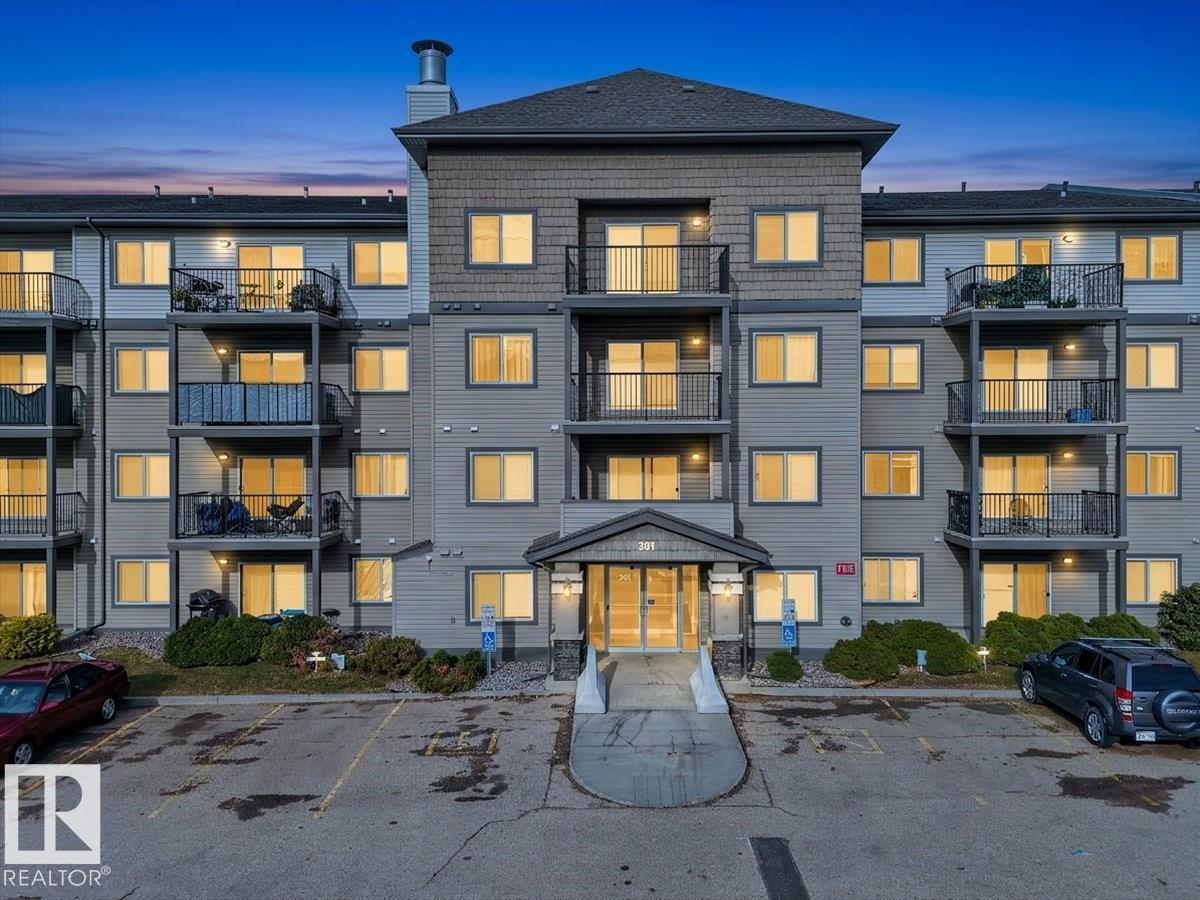 Courtesy Of Angela Tassone Of Lux Real Estate Inc#338 301 Clarview Station Drive NW, Edmonton2 bd · 2 ba · 821 sq ft · 0.02 ac$167,000
 -
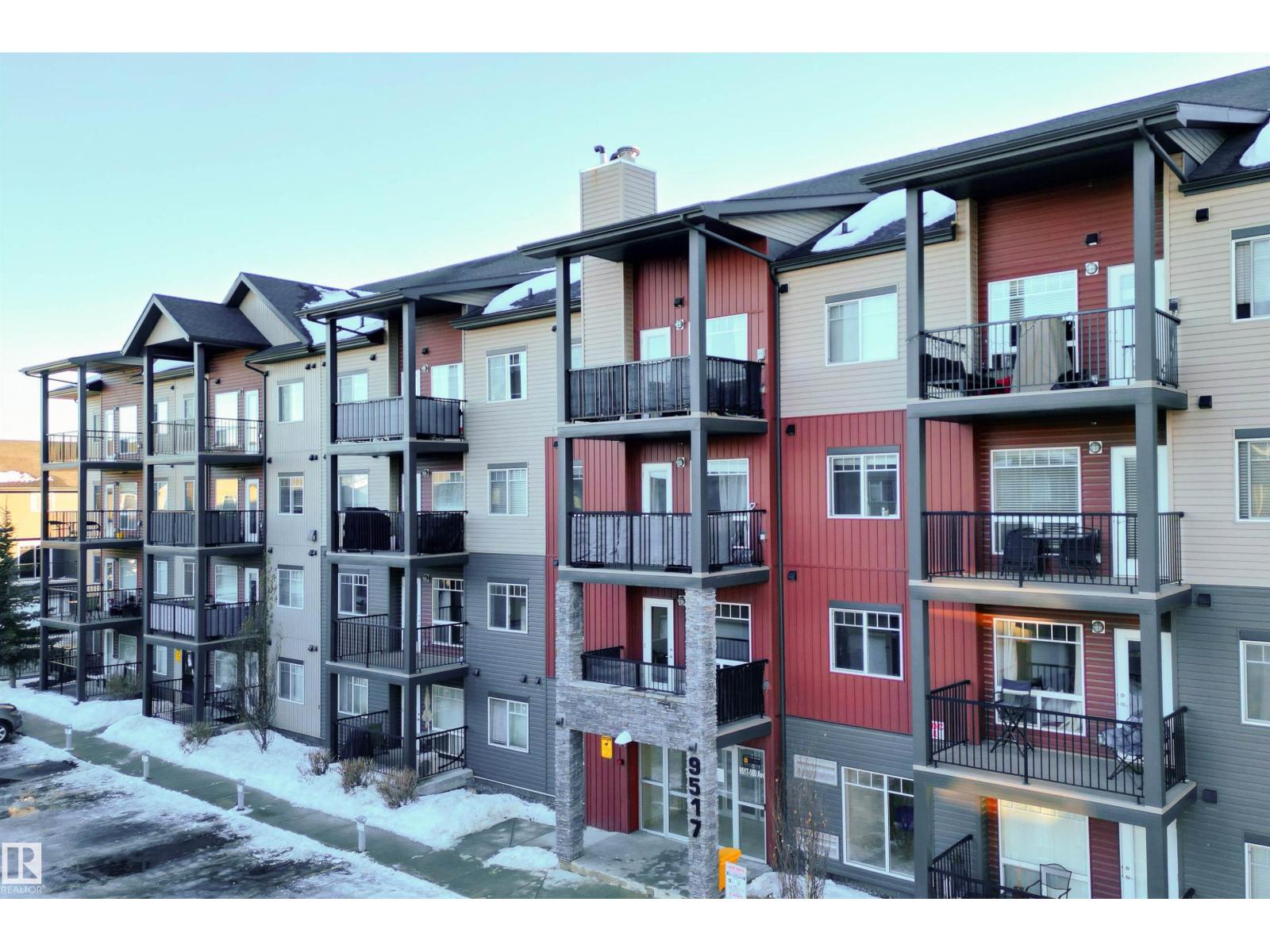 Courtesy Of Michelle Plach Of HonestDoor Inc#105C 9517 160 Avenue NW, Edmonton2 bd · 2 ba · 788 sq ft · 0.02 ac$185,000
 -
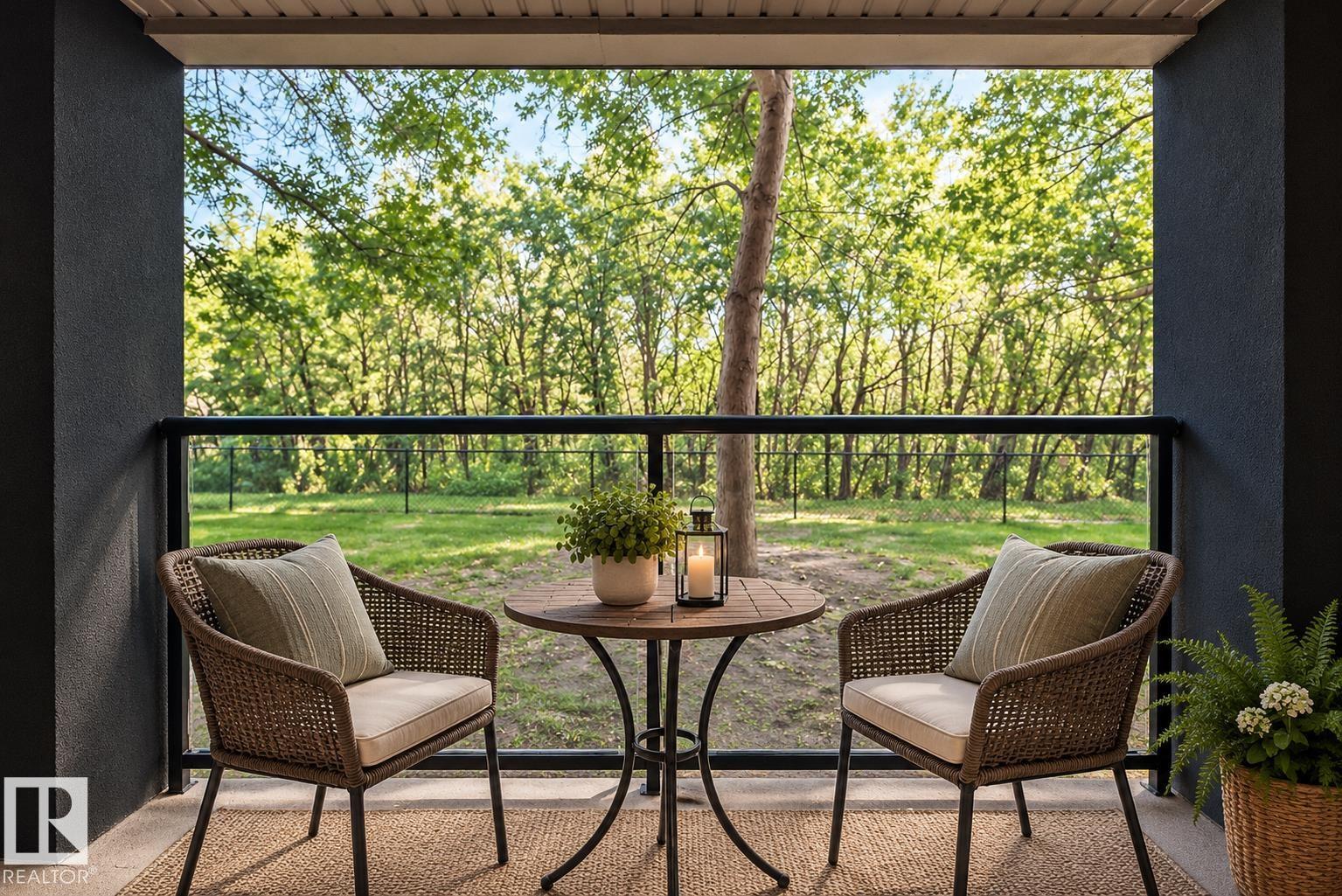 Courtesy Of Samantha Sajjad Of MaxWell Devonshire Realty#127 592 Hooke Road NW, Edmonton2 bd · 2 ba · 1,002 sq ft$189,900
 -
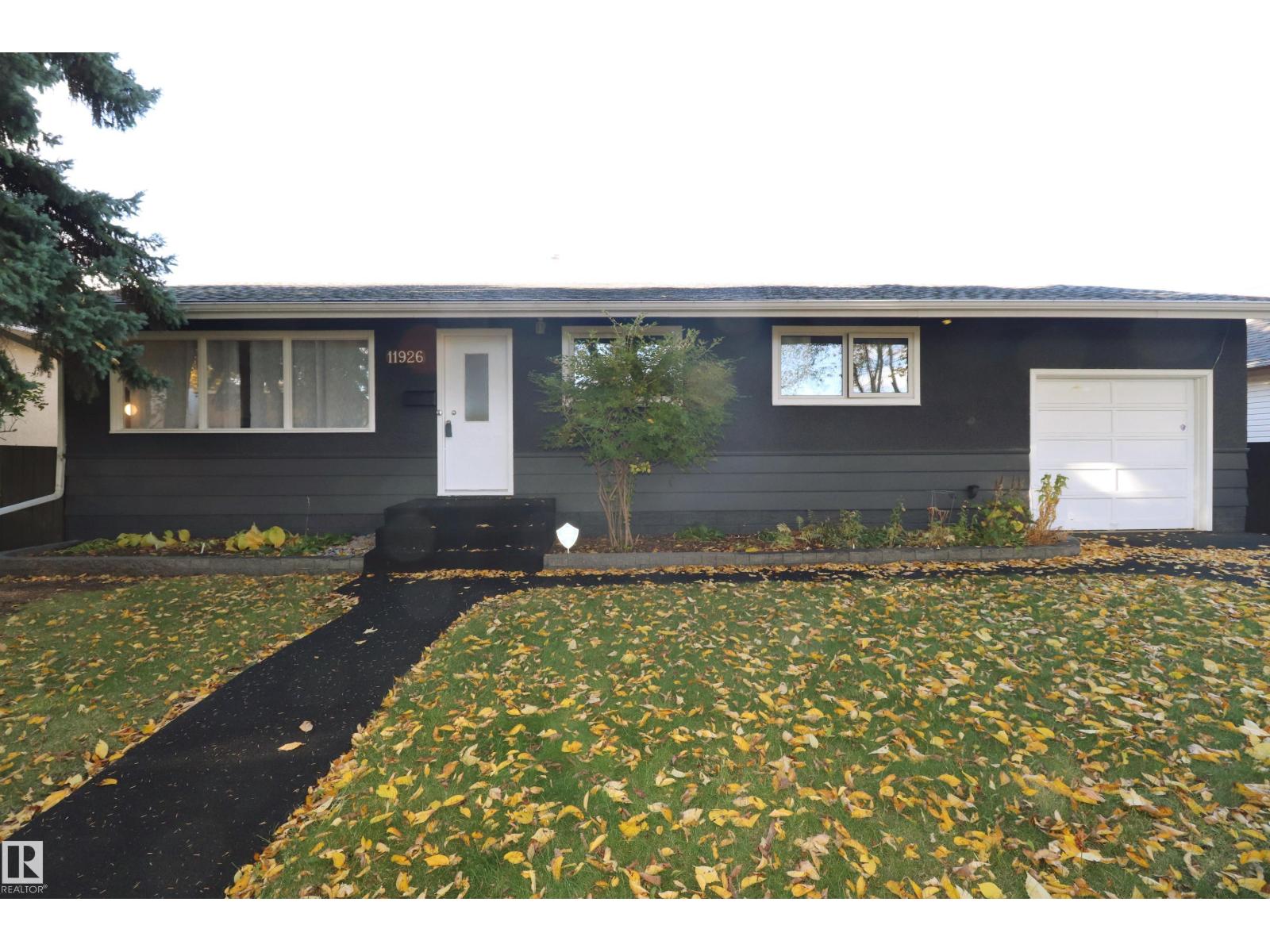 Courtesy Of Bryce Christensen Of Royal LePage Noralta Real Estate11926 55 Street NW, Edmonton4 bd · 2 ba · 1,100 sq ft · 0.18 ac$499,800
 -
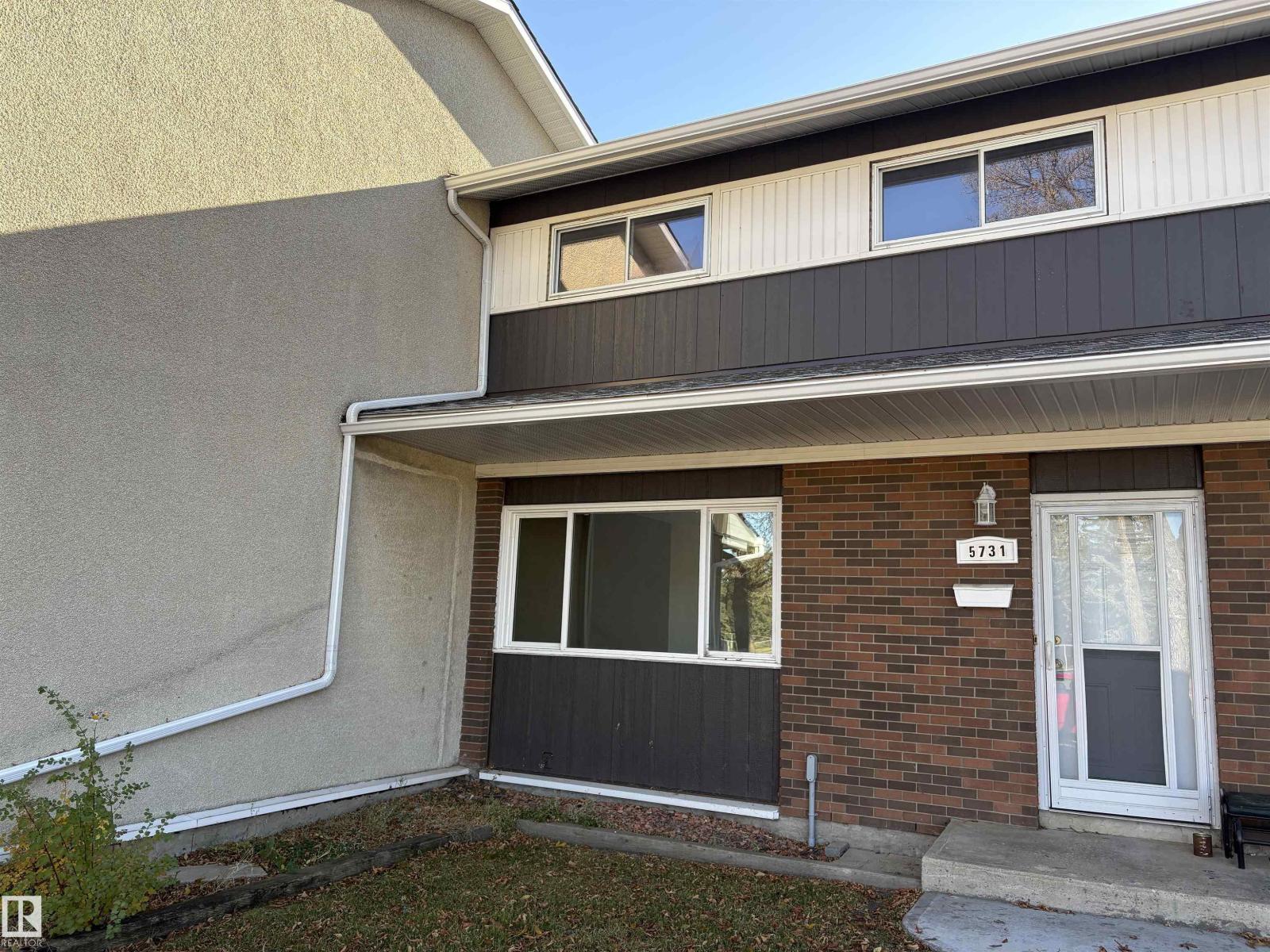 Courtesy Of Teresa Secret Of Royal LePage Noralta Real Estate5731 144 Avenue NW, Edmonton3 bd · 2 ba · 1,259 sq ft · 0.06 ac$205,000
 -
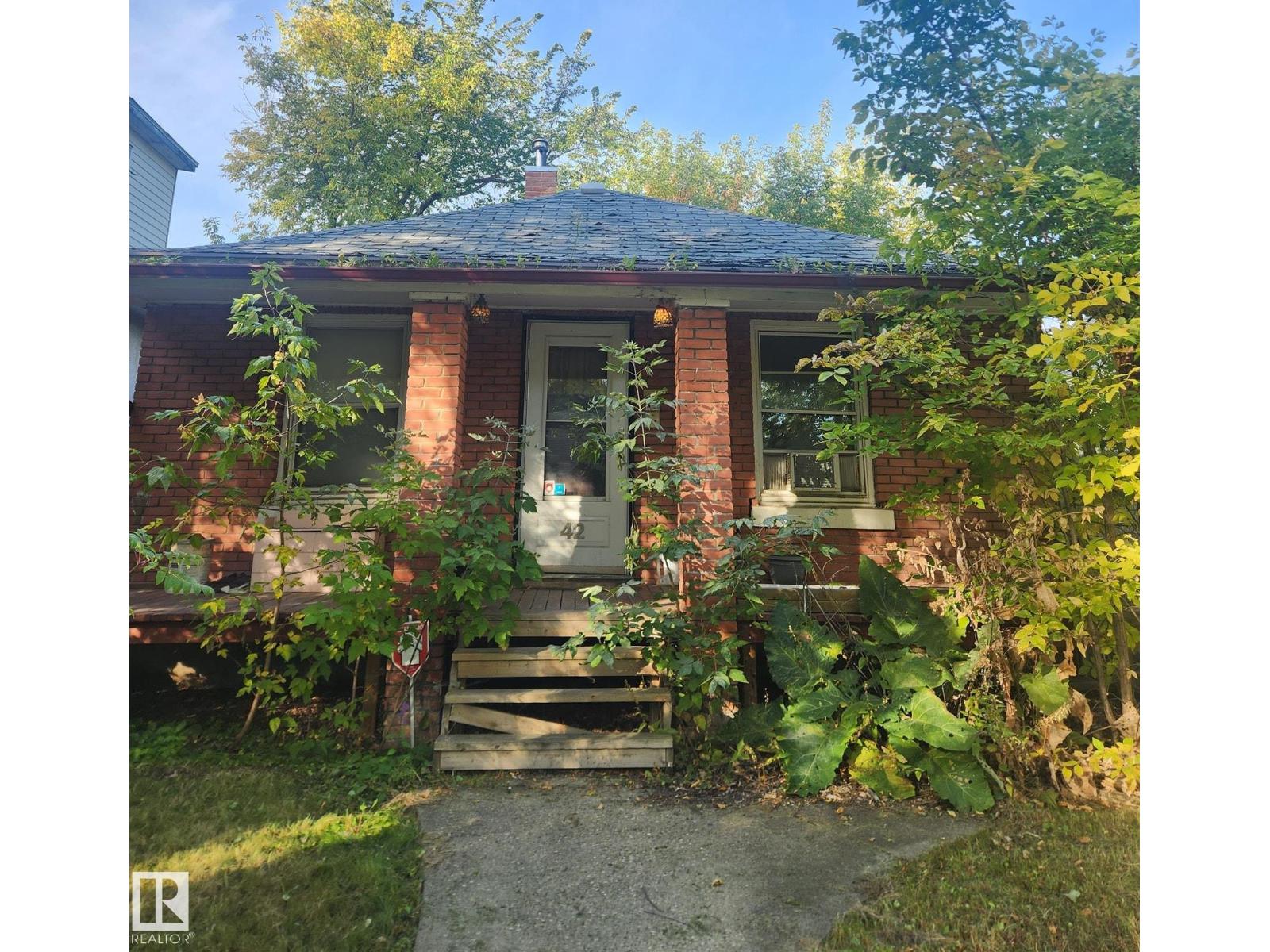 Courtesy Of Morgan Taylor Of RE/MAX Excellence11442 91 Street NW, Edmonton1 bd · 1 ba · 685 sq ft · 0.09 ac$140,000
 -
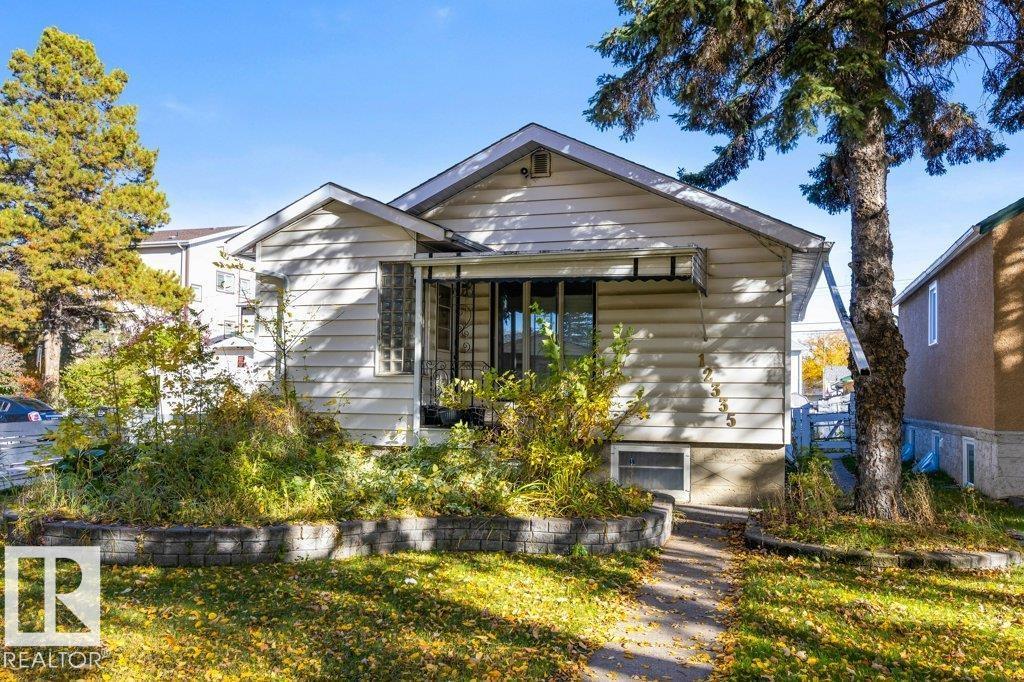 Courtesy Of Erin Willman Of RE/MAX Elite12335 89 Street NW, Edmonton2 bd · 2 ba · 1,255 sq ft · 0.12 ac$239,900
 -
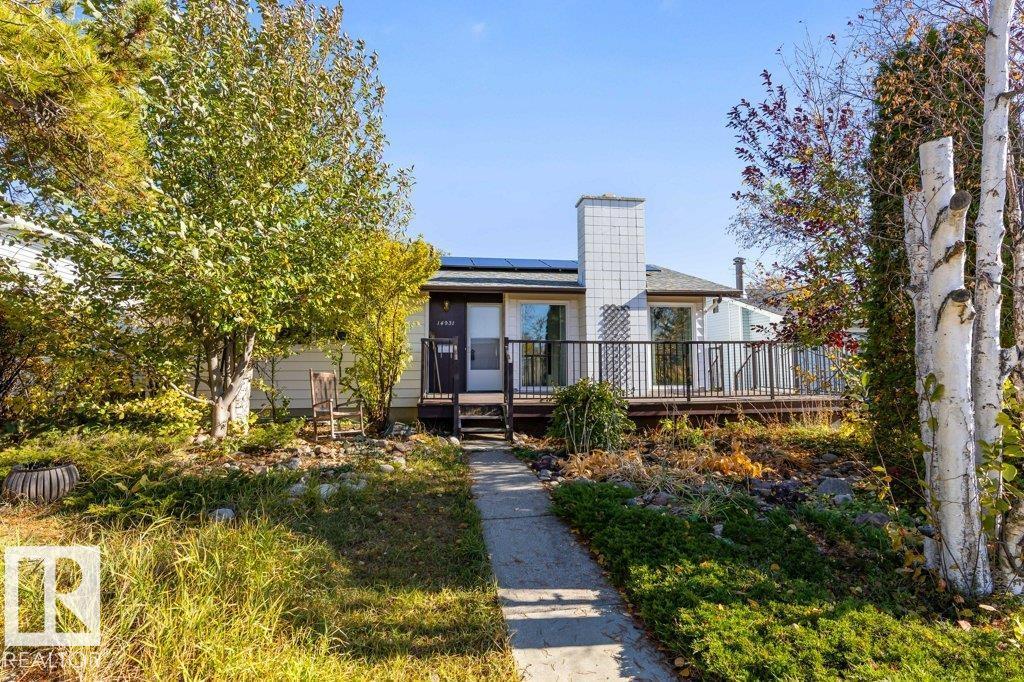 Courtesy Of Erin Willman Of RE/MAX Elite14931 81 Street NW, Edmonton5 bd · 3 ba · 1,125 sq ft · 0.14 ac$349,900
 -
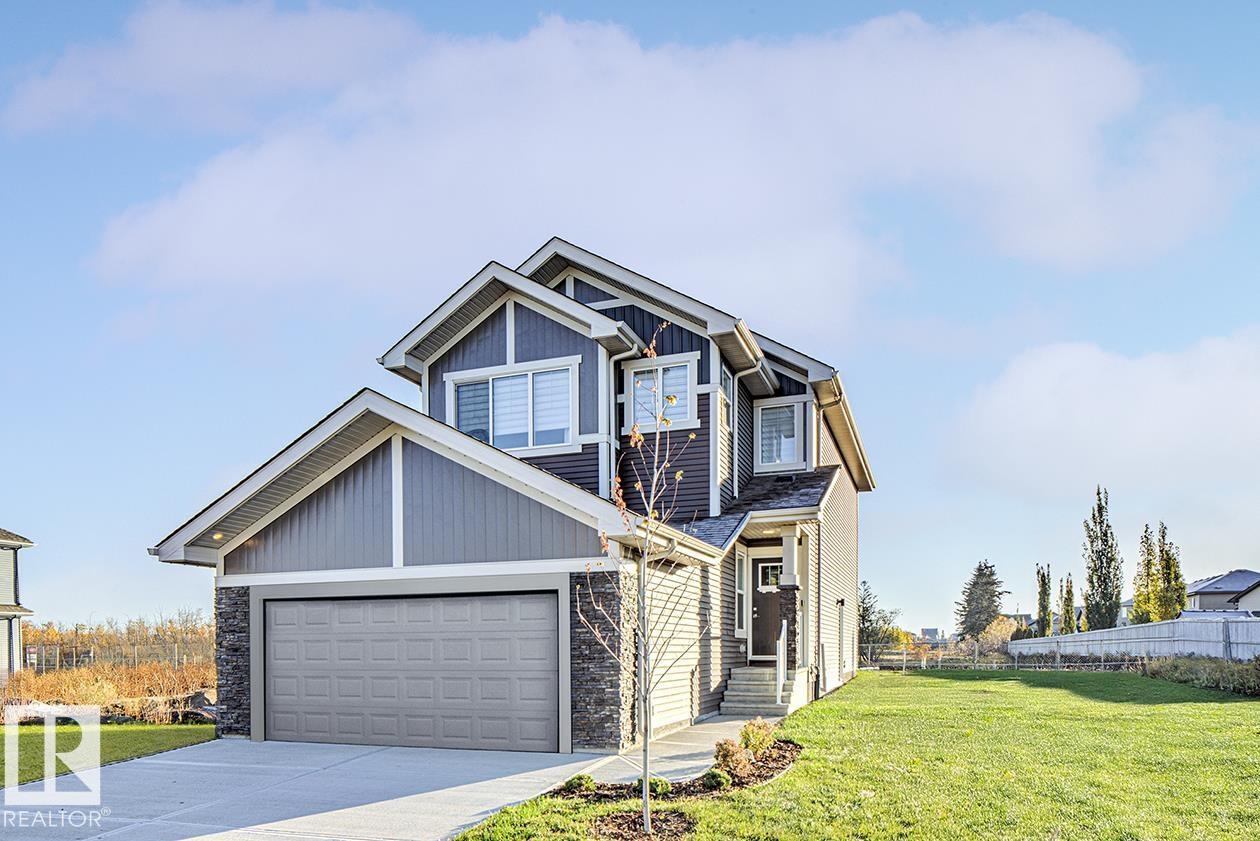 Courtesy Of David Lam Of Exp Realty18071 85 Street NW, Edmonton3 bd · 3 ba · 1,878 sq ft · 0.08 ac$658,600
 -
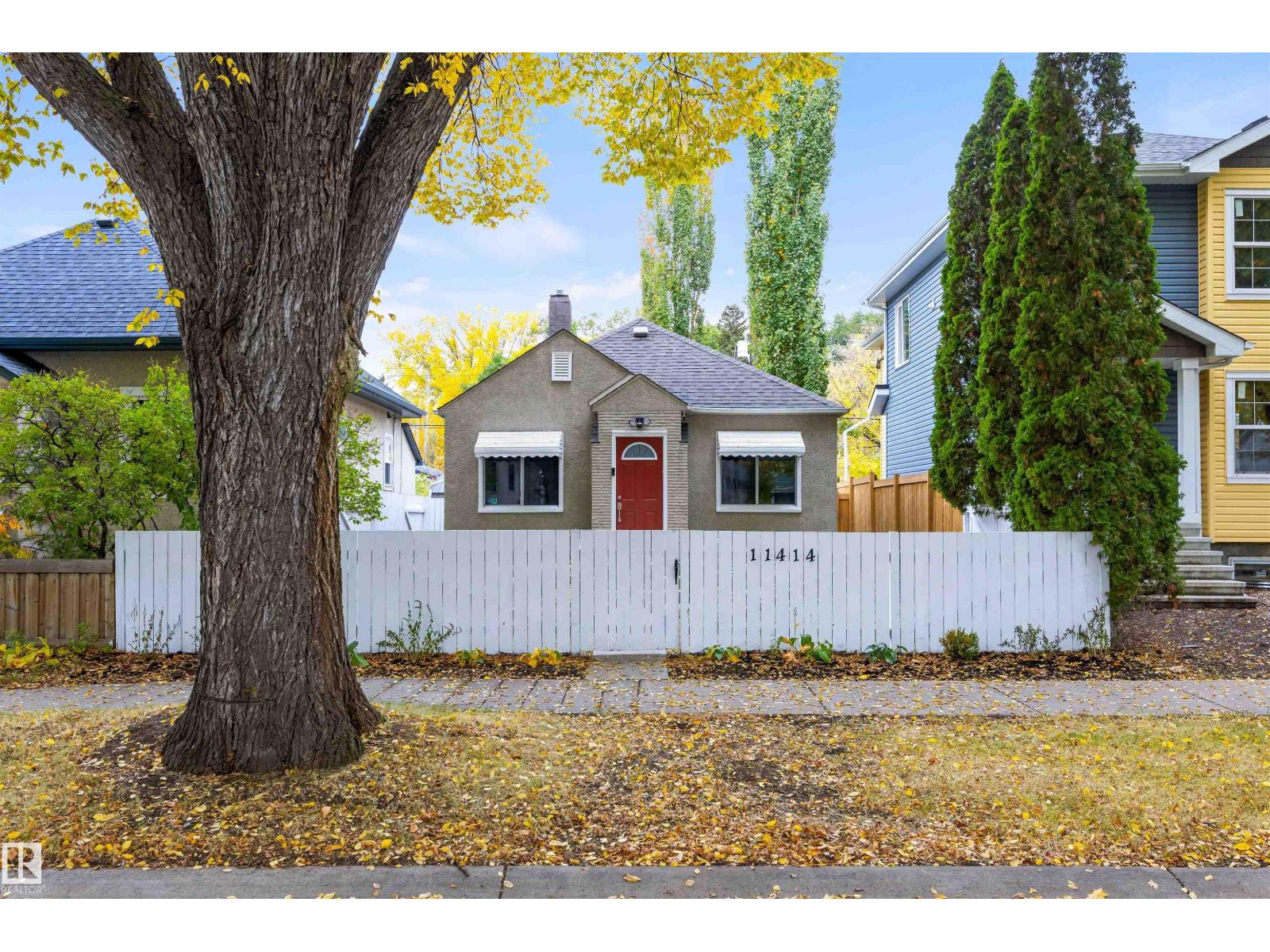 Courtesy Of Liam Whalen Of Exp Realty11414 84 Street NW, Edmonton2 bd · 1 ba · 542 sq ft · 0.09 ac$239,900
 -
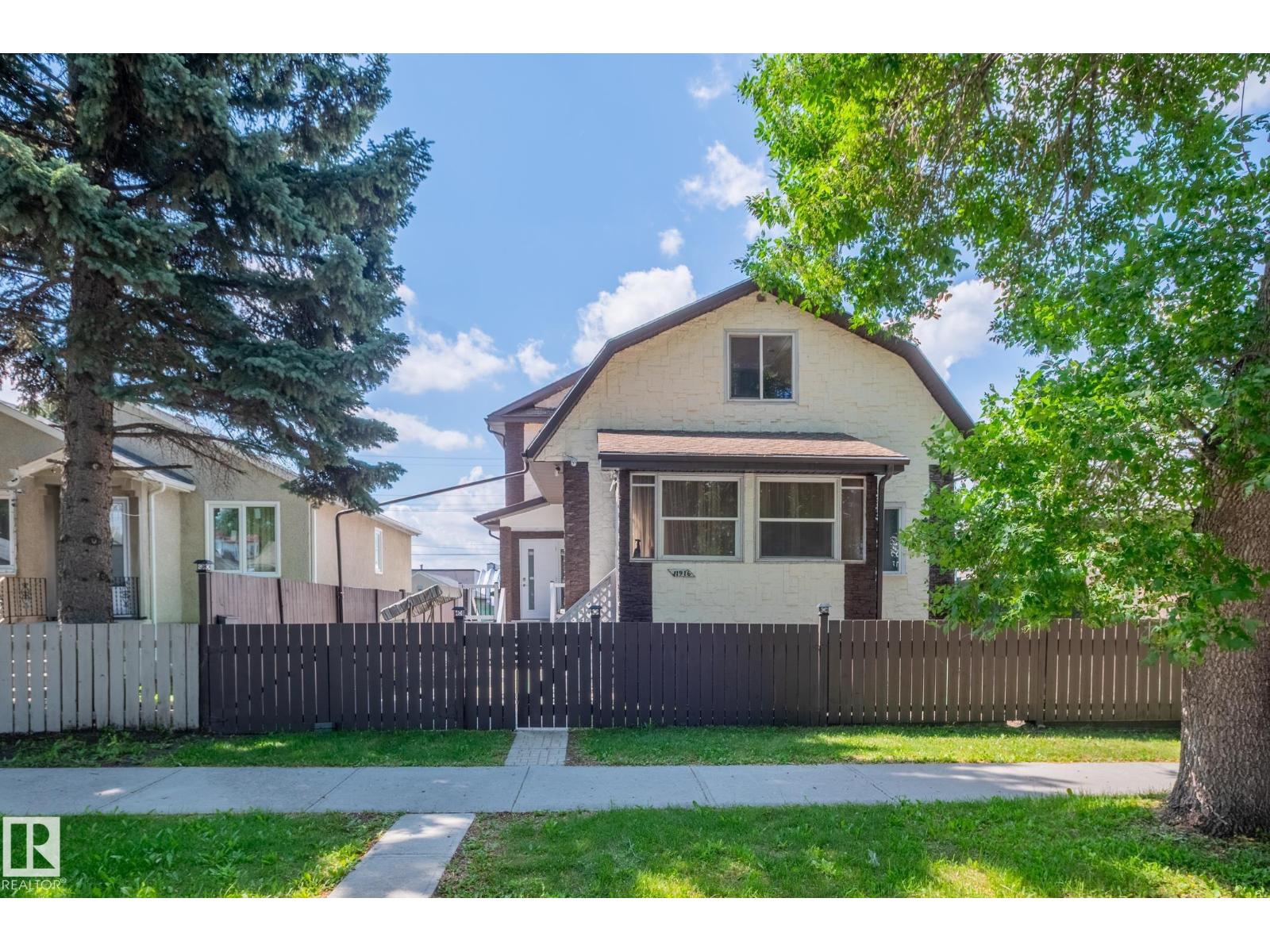 Courtesy Of Mohit Dhunna Of Exp Realty11916 71 Street NW, Edmonton6 bd · 4 ba · 2,443 sq ft · 0.12 ac$549,998
 -
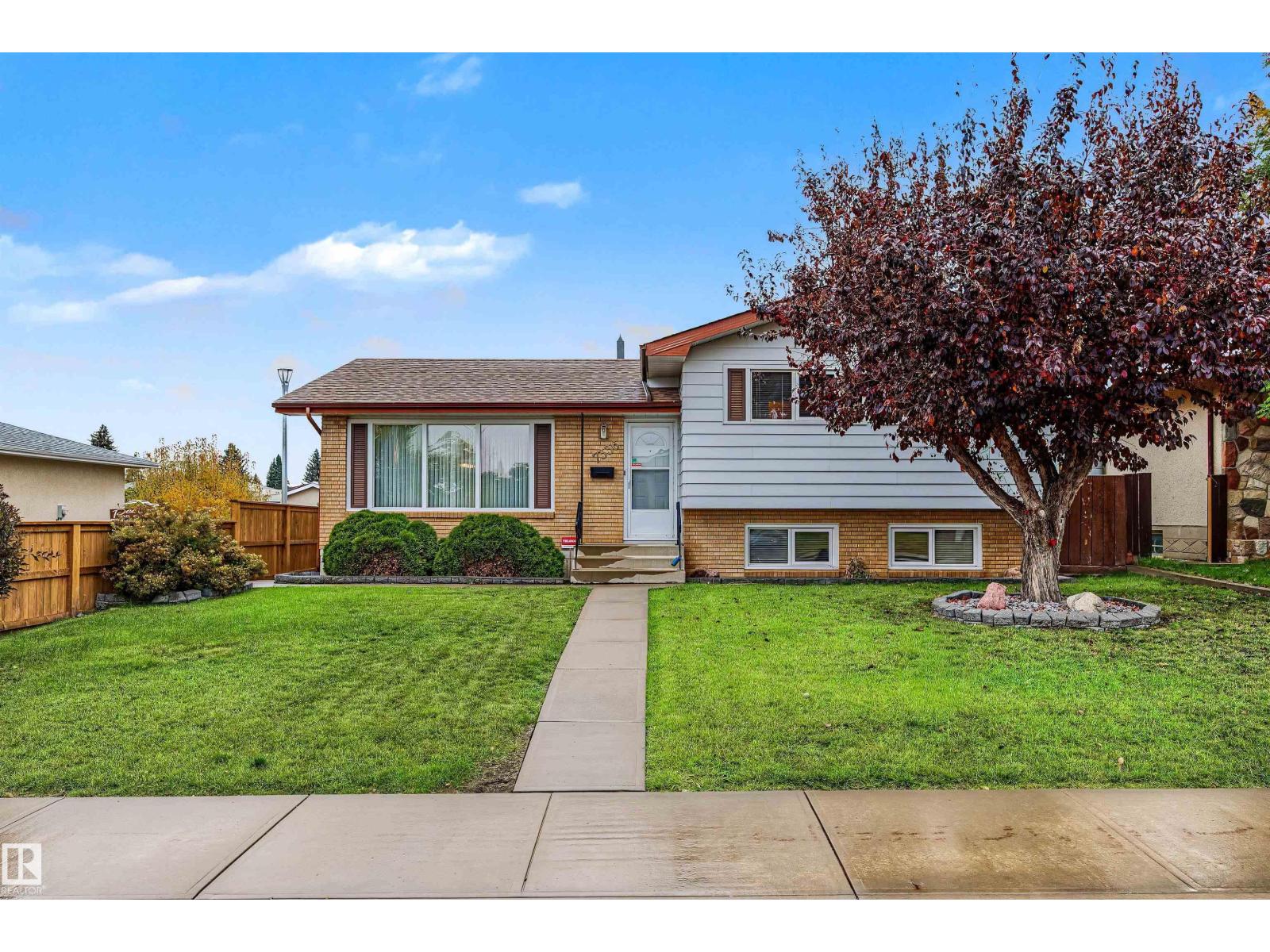 $399,900
 -
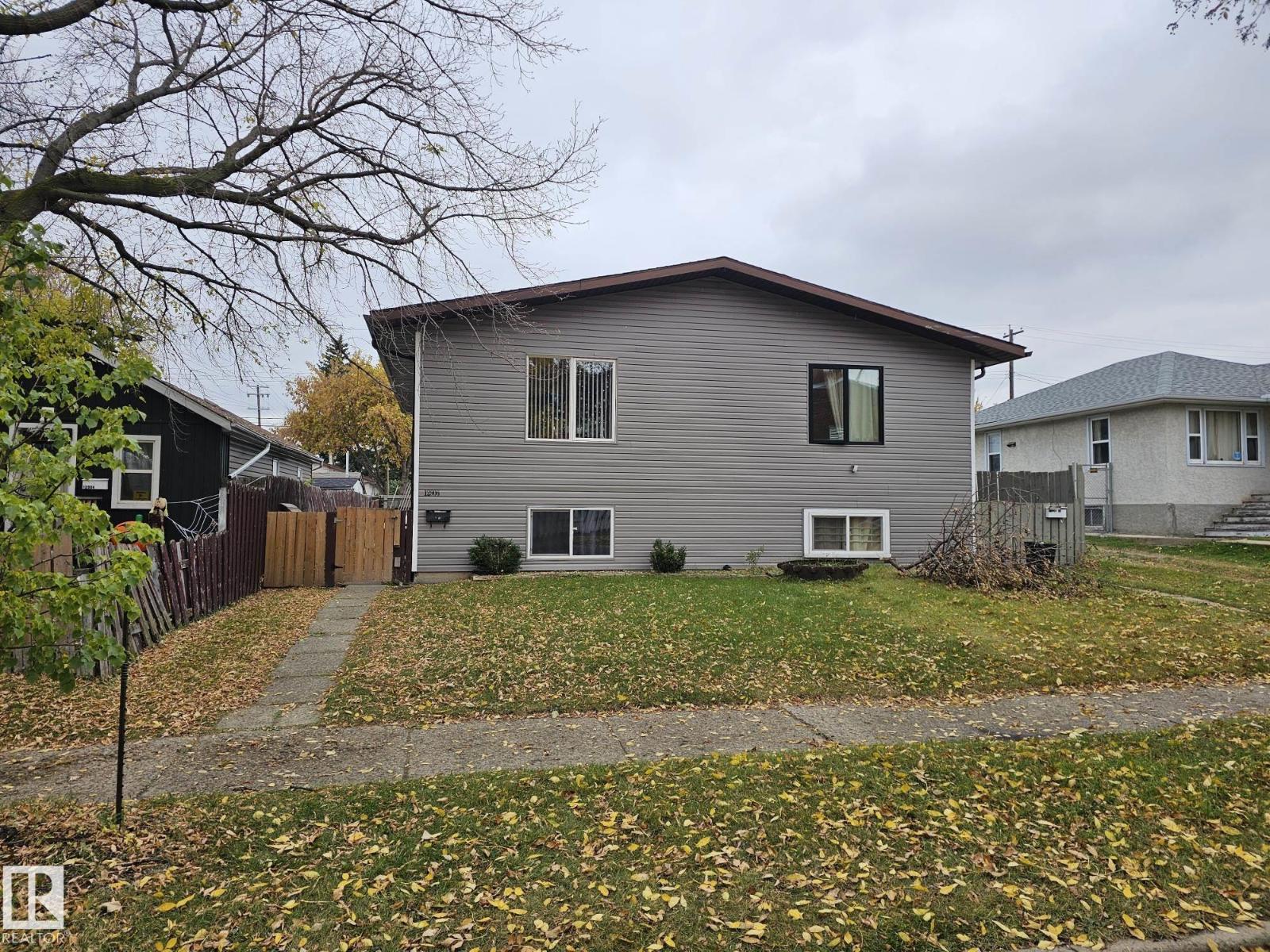 Courtesy Of Mason Salame Of REMAX River City12906-12908 68 Street NW, Edmonton4 bd · 4 ba · 1,321 sq ft · 0.14 ac$489,900
 -
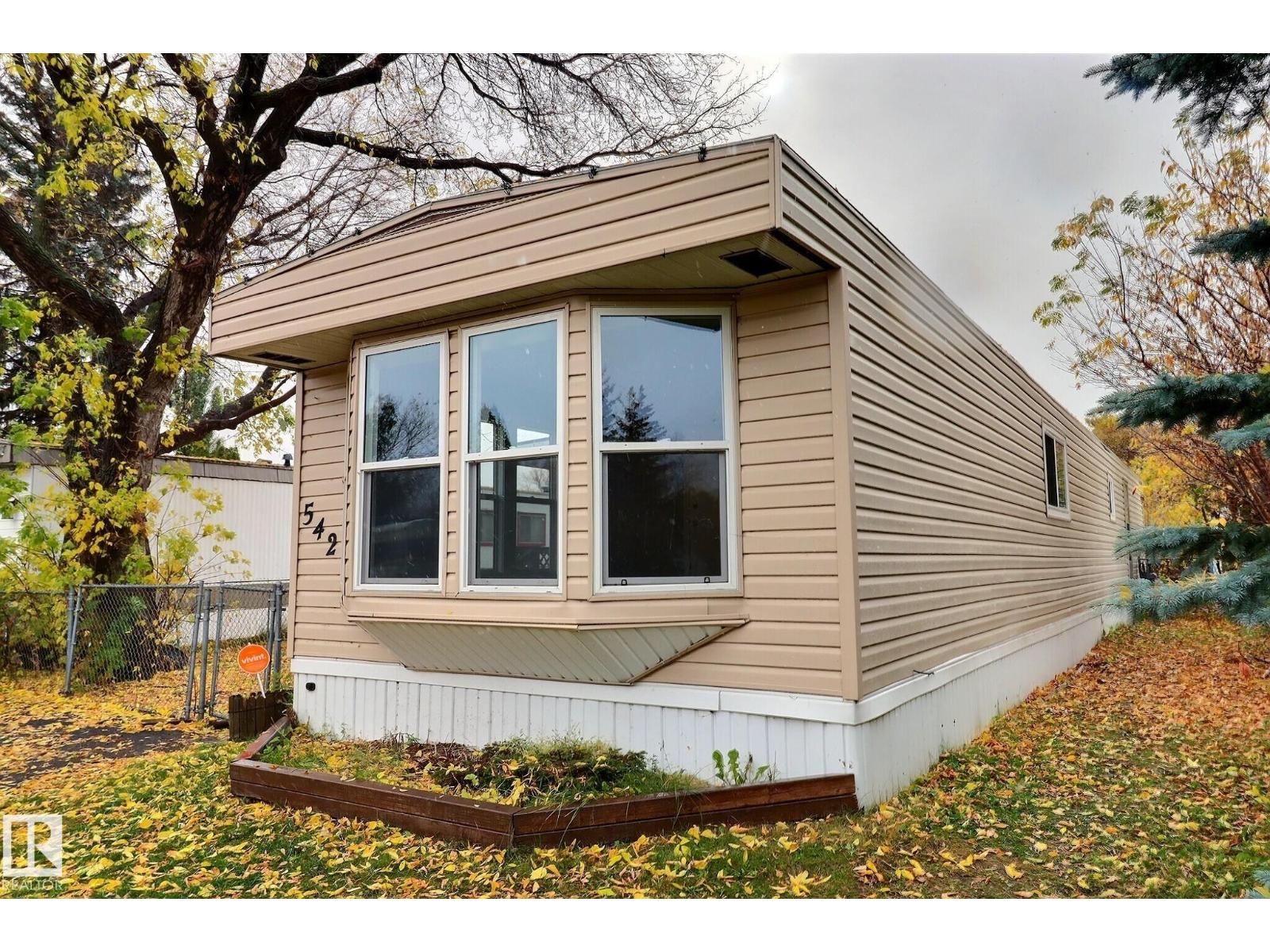 $49,900
 -
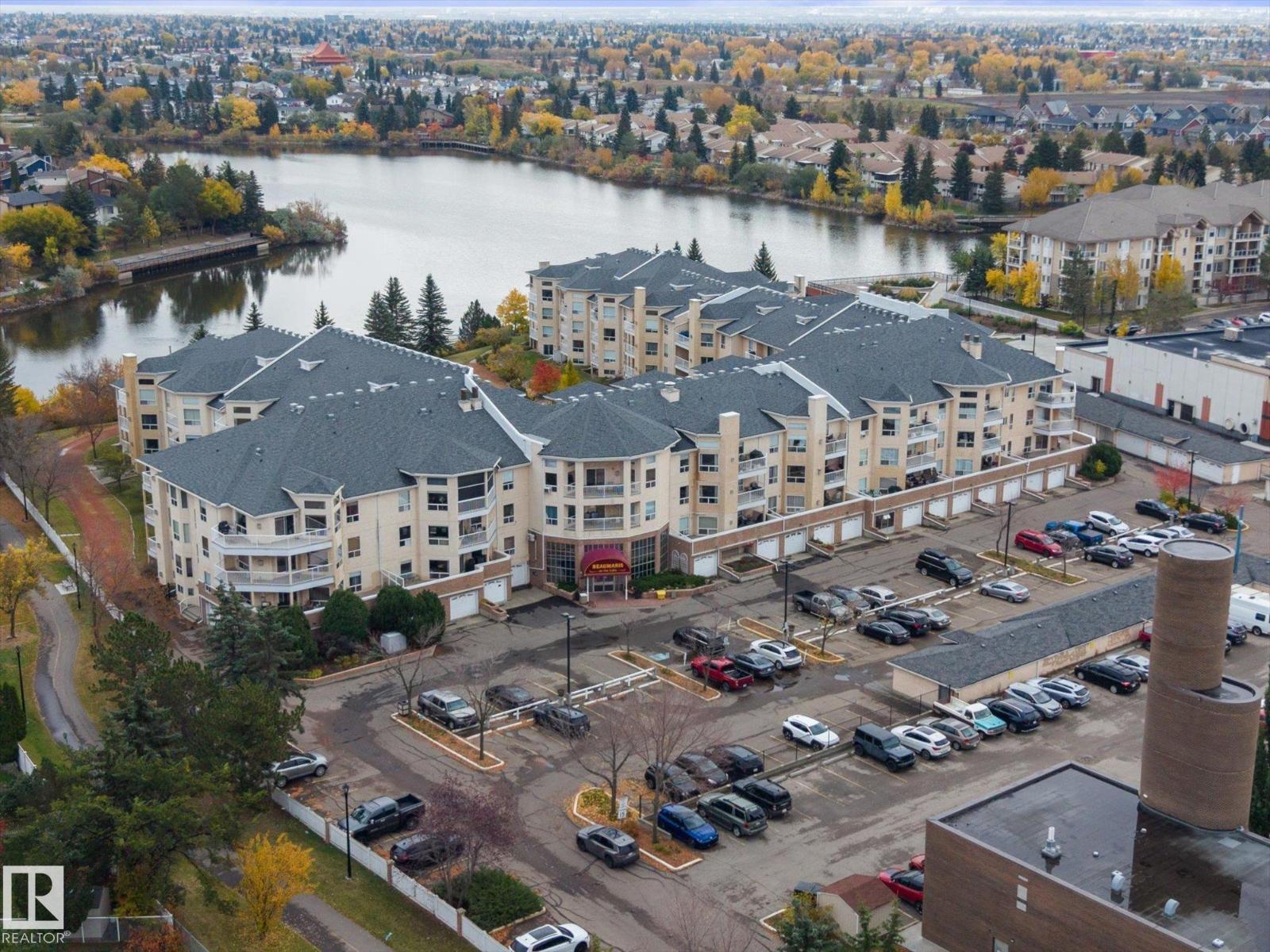 Courtesy Of Che Taylor Of MaxWell Challenge Realty#412 15499 Castle Downs Road NW, Edmonton1 bd · 2 ba · 1,187 sq ft · 0.04 ac$245,000
 -
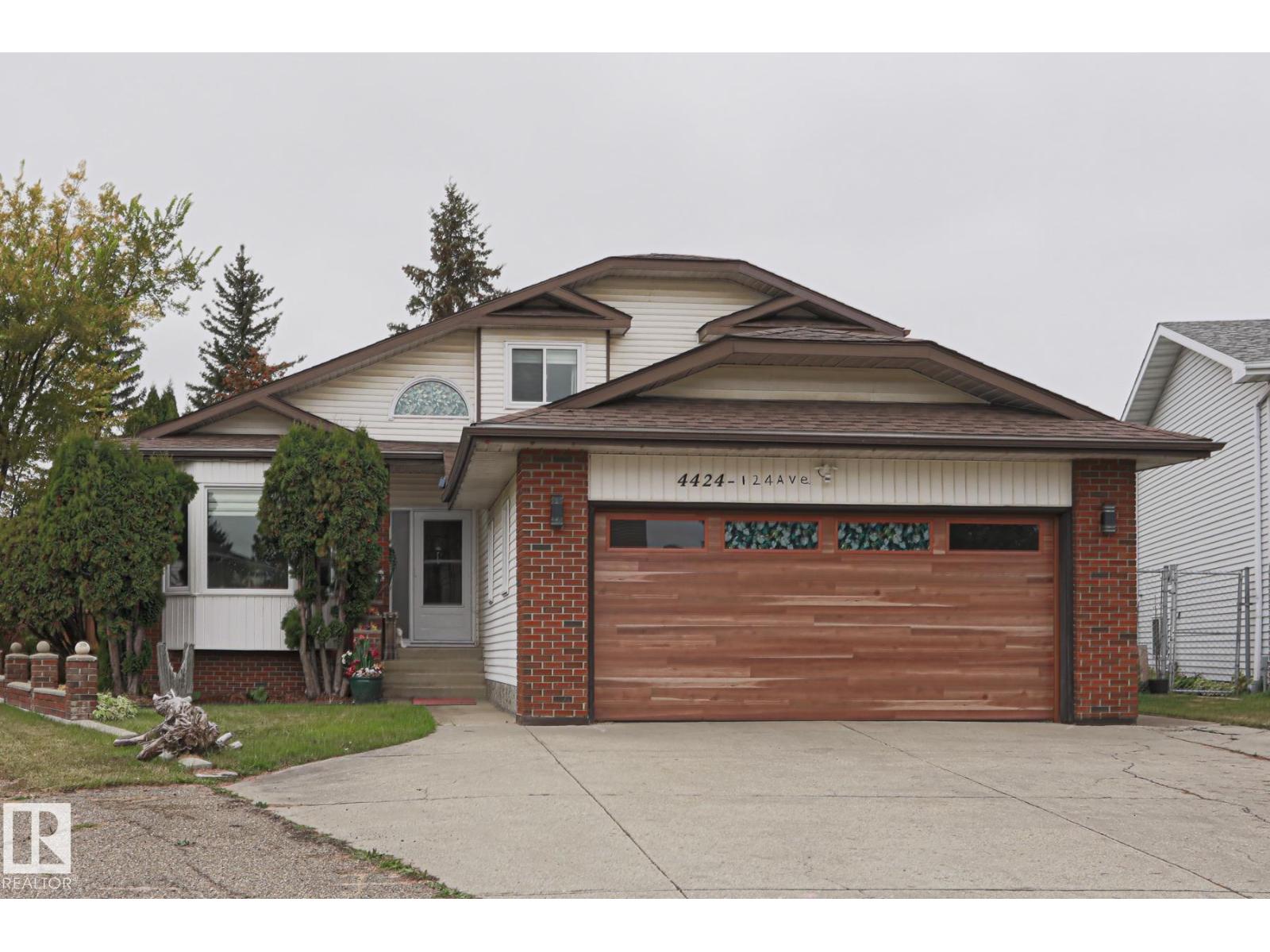 Courtesy Of Lino Zucca Of Logic Realty4424 124 Avenue NW, Edmonton5 bd · 4 ba · 1,900 sq ft · 0.18 ac$545,900
 -
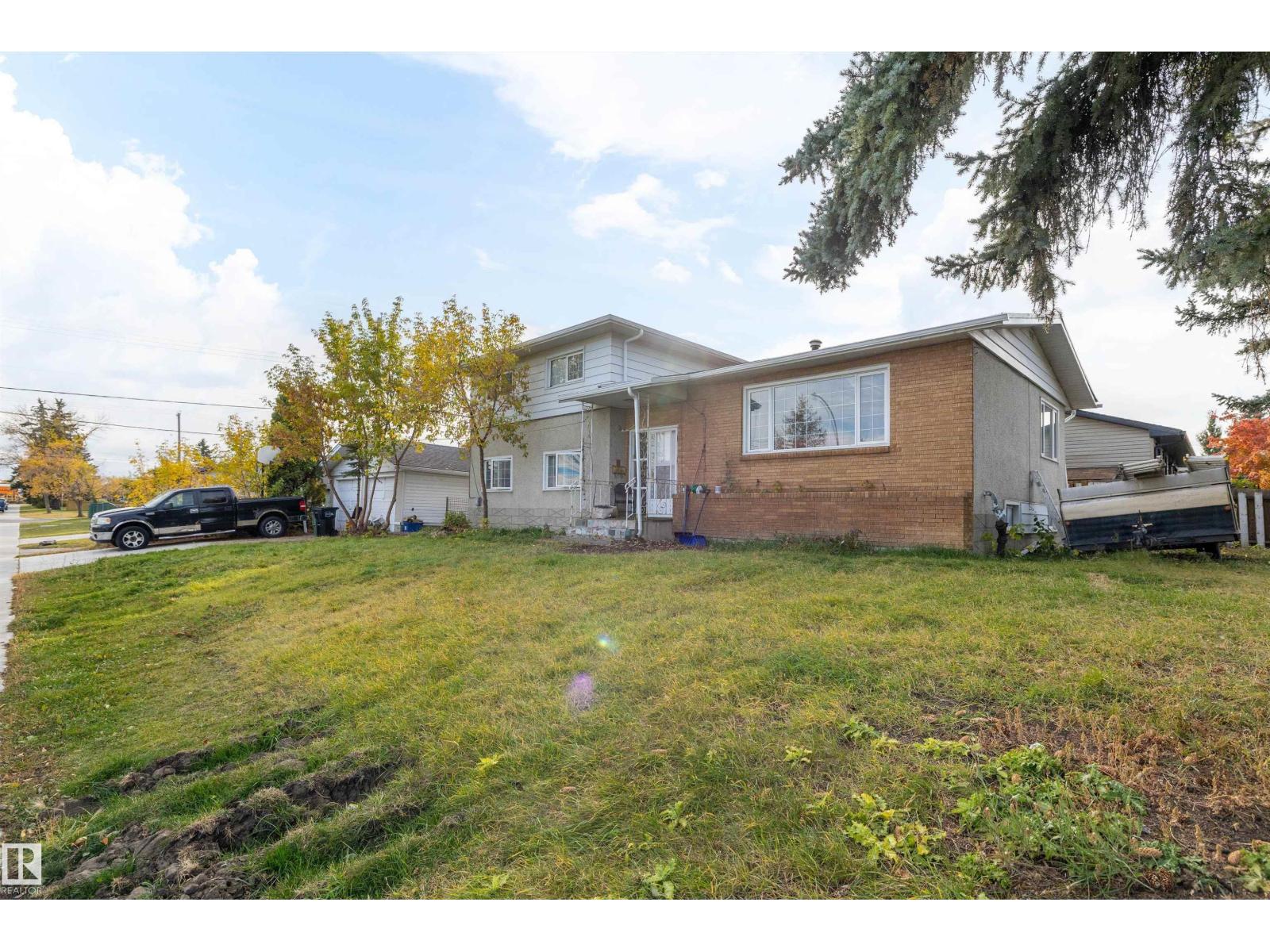 Courtesy Of Kevin Rohoman Of Professional Realty Group12808 92 Street NW, Edmonton5 bd · 2 ba · 1,897 sq ft · 0.14 ac$390,000
 -
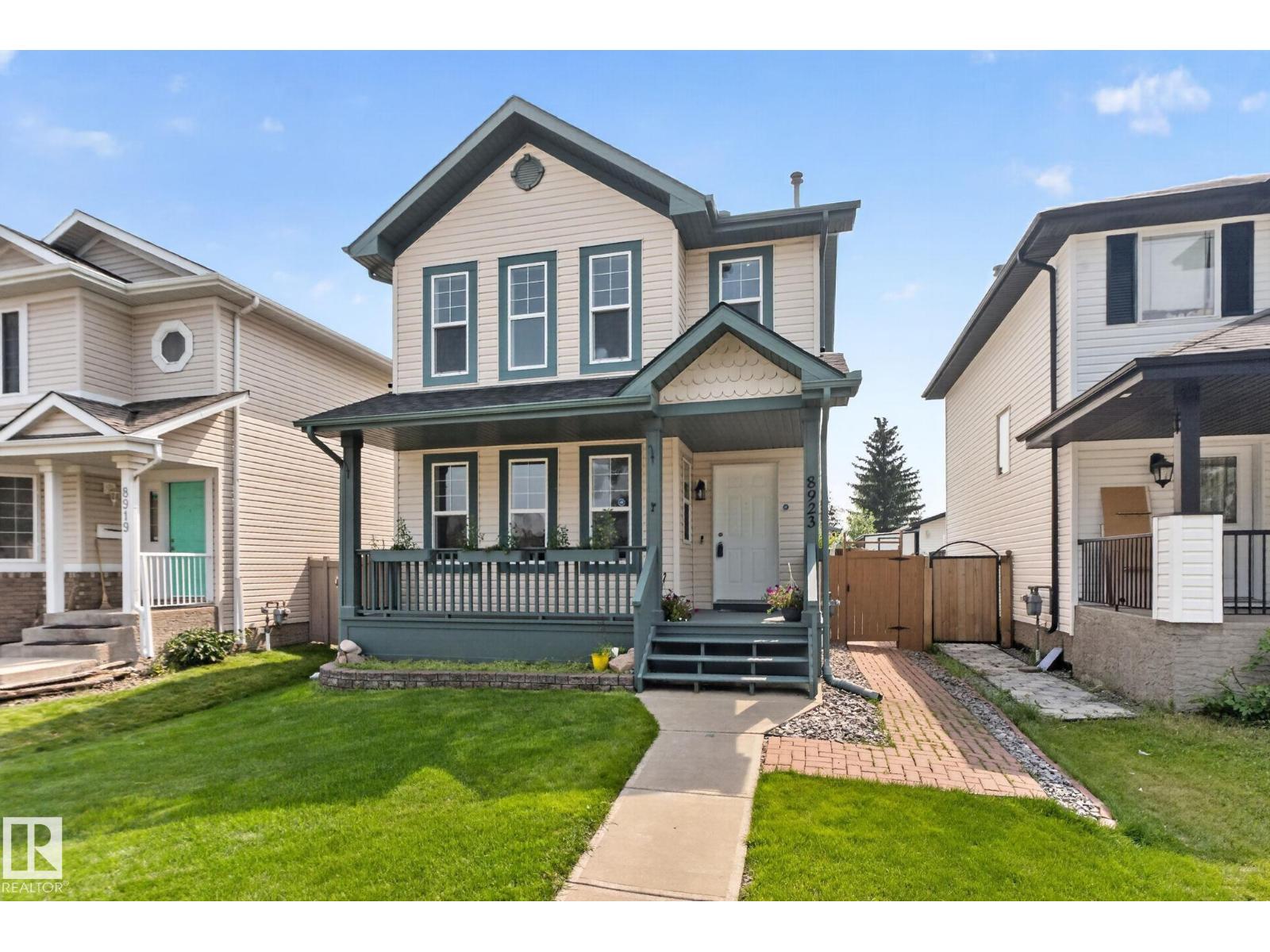 Courtesy Of Vincenzo Fiacco Of RE/MAX Excellence8923 173 Avenue NW, Edmonton4 bd · 4 ba · 1,378 sq ft$442,000
 -
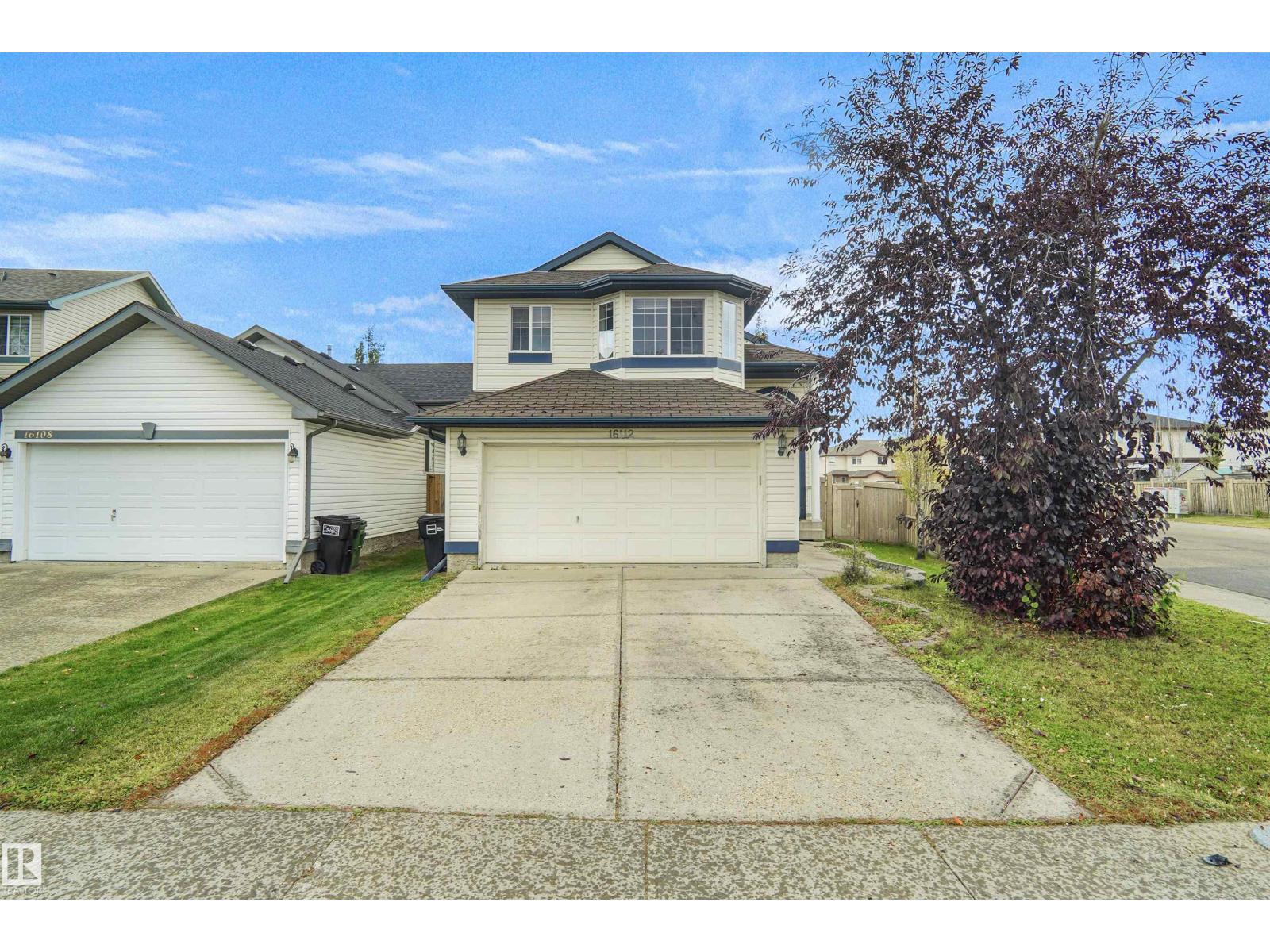 Courtesy Of Wally Karout Of Royal Lepage Arteam Realty16112 92 Street NW, Edmonton4 bd · 3 ba · 1,292 sq ft · 0.11 ac$429,908
 -
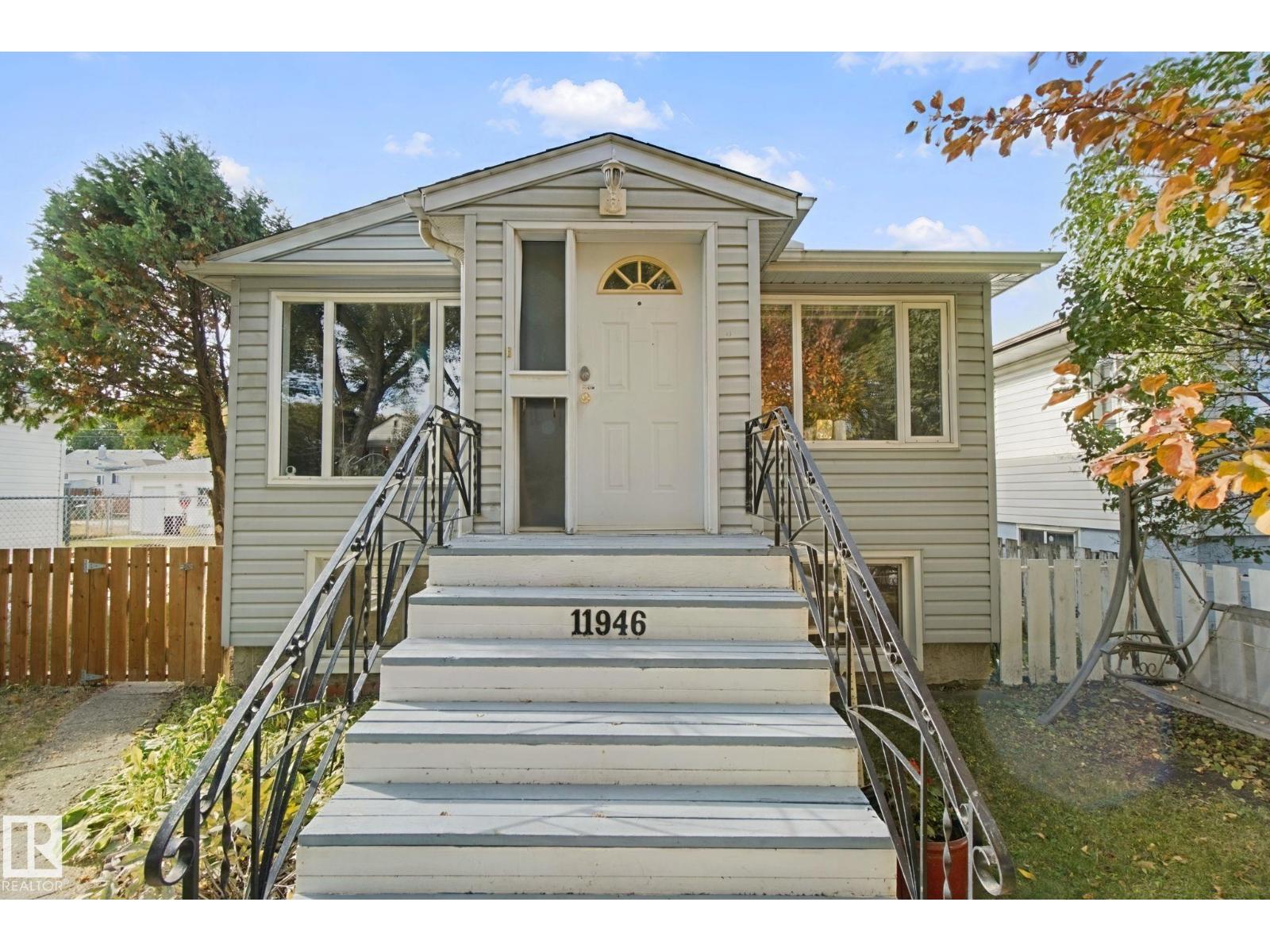 Courtesy Of Al Dredge Of RE/MAX Real Estate11946 70 Street NW, Edmonton4 bd · 2 ba · 904 sq ft · 0.12 ac$289,900
 -
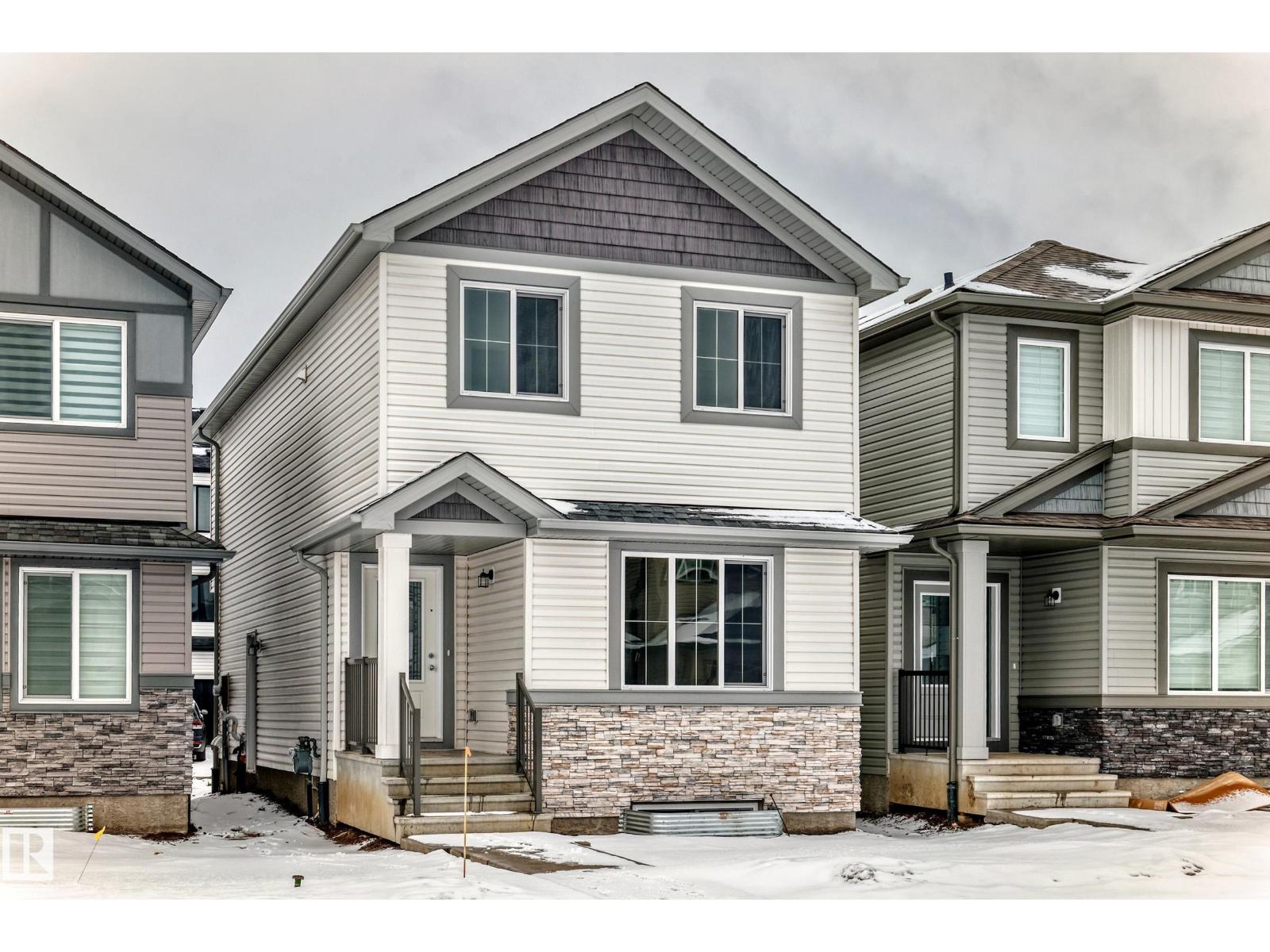 $545,000
 -
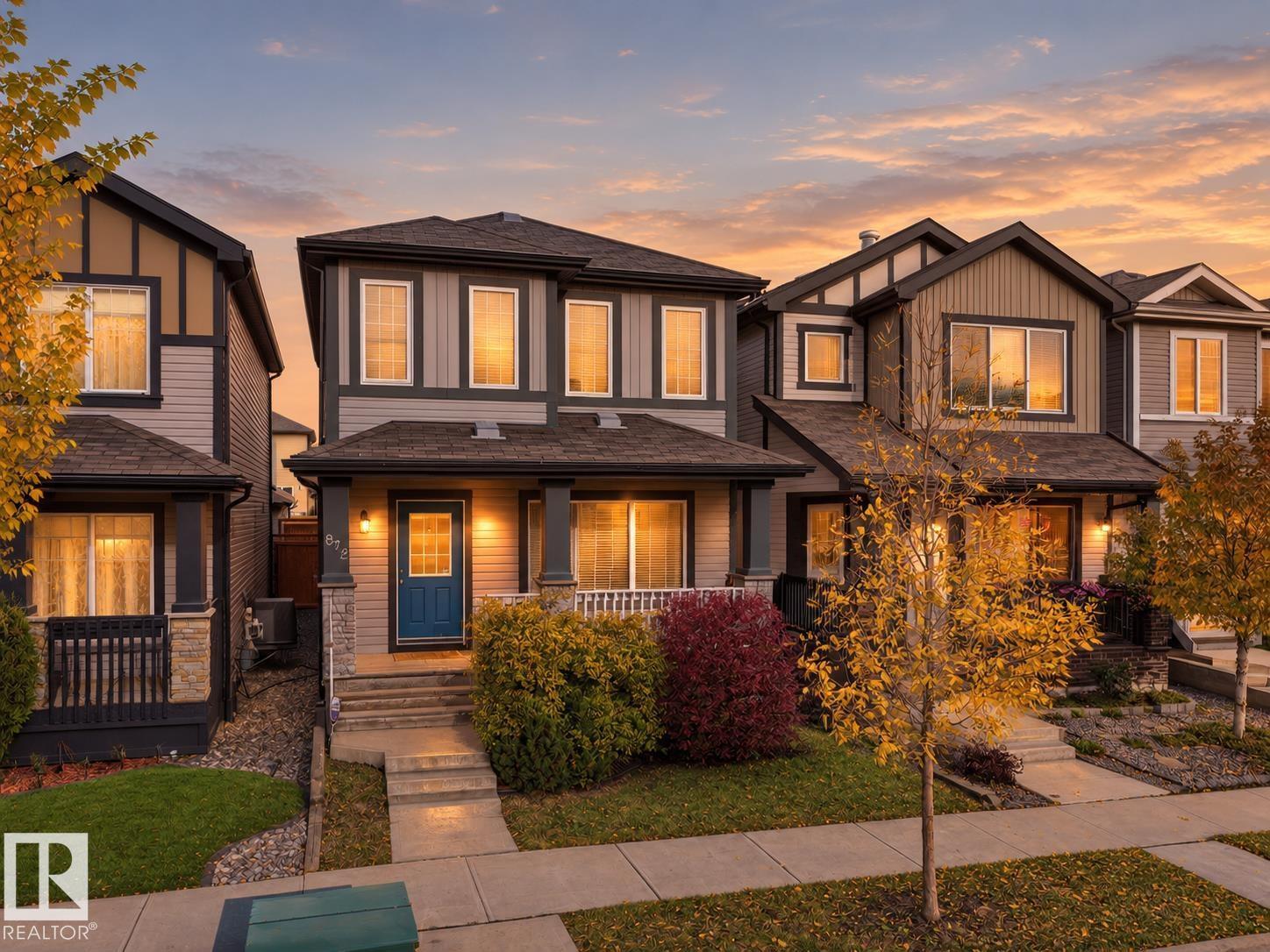 Courtesy Of Holly Walker Of MaxWell Polaris872 Cy Becker Drive NW, Edmonton4 bd · 3 ba · 1,574 sq ft · 0.06 ac$449,900
 -
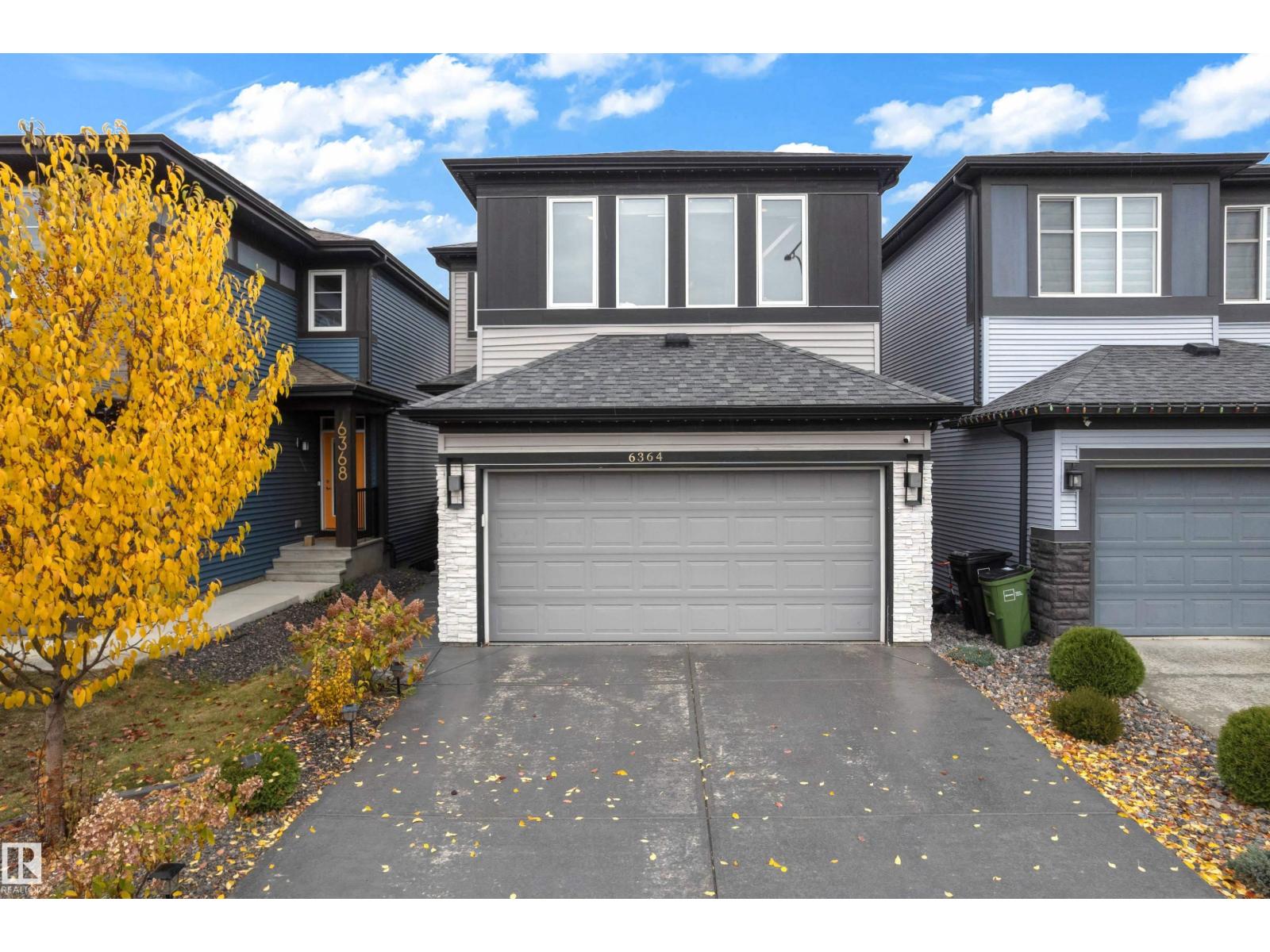 Courtesy Of Anshul Gupta Of MaxWell Devonshire Realty6364 174 Avenue NW, Edmonton5 bd · 4 ba · 1,907 sq ft · 0.08 ac$679,000
 -
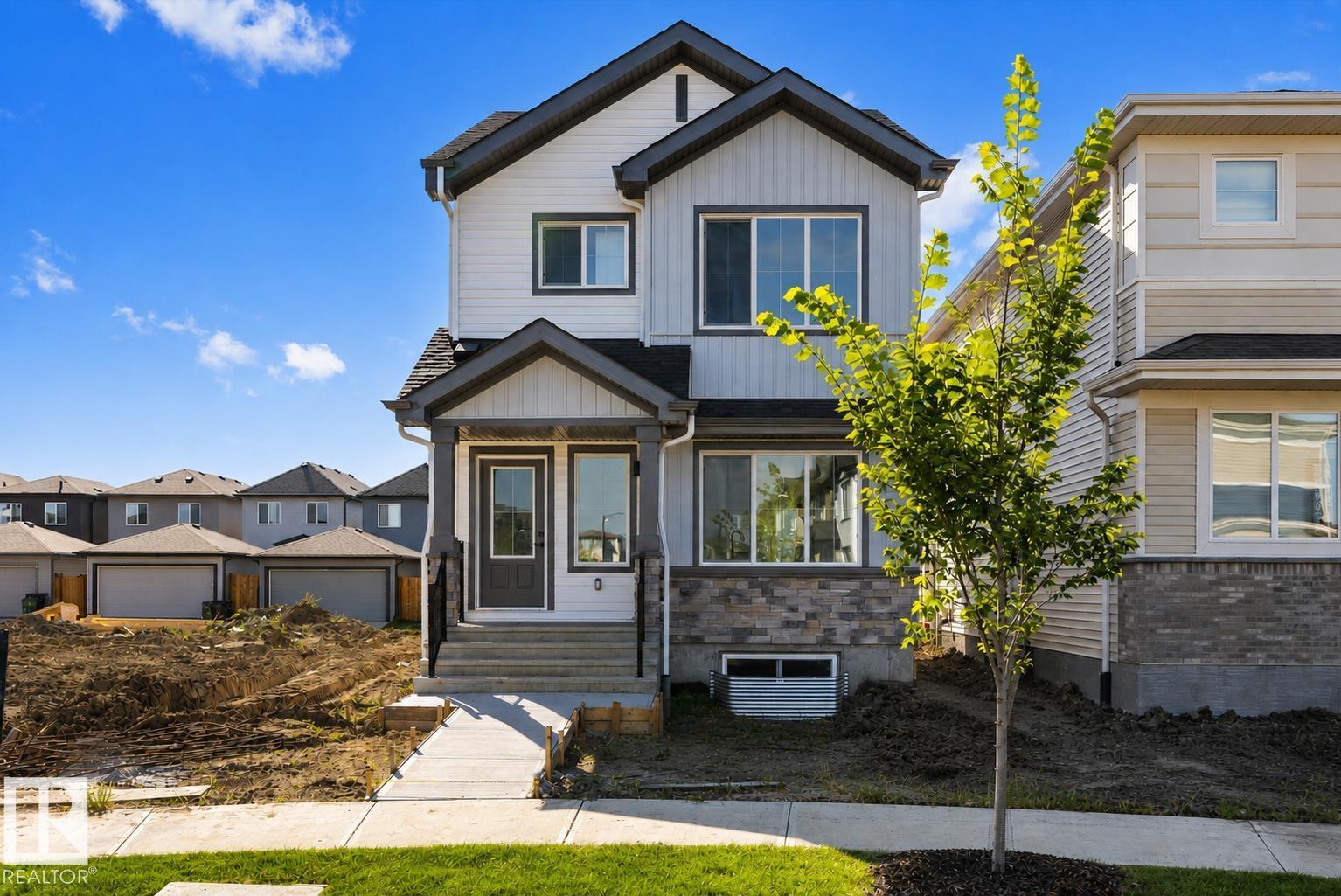 Courtesy Of David Lam Of Exp Realty17544 63 Street NW, Edmonton4 bd · 3 ba · 1,611 sq ft · 0.08 ac$499,600
 -
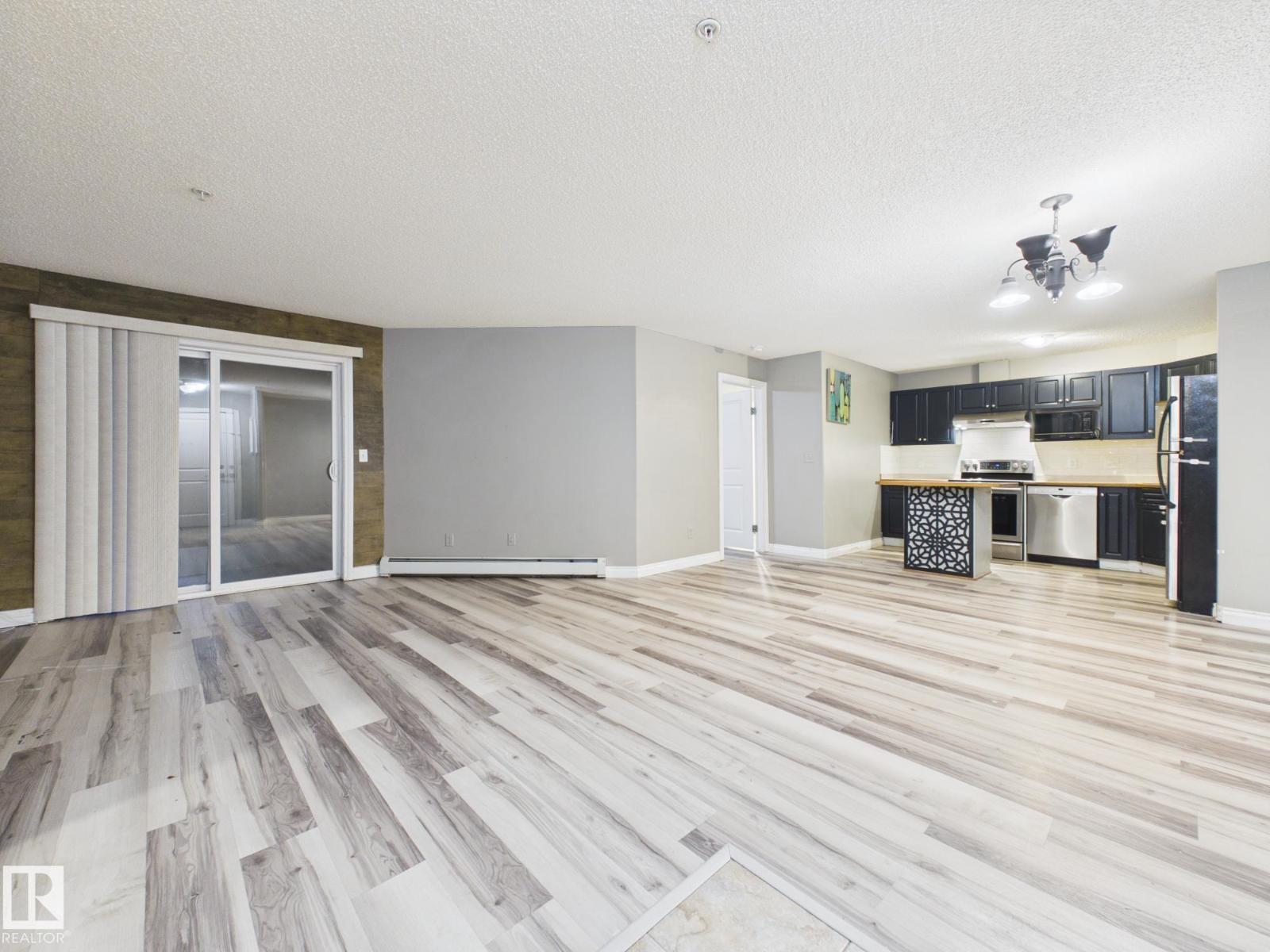 Courtesy Of Sharon Gregresh Of Century 21 Masters#102 16221 95 Street NW, Edmonton2 bd · 2 ba · 1,045 sq ft · 0.03 ac$164,500
 -
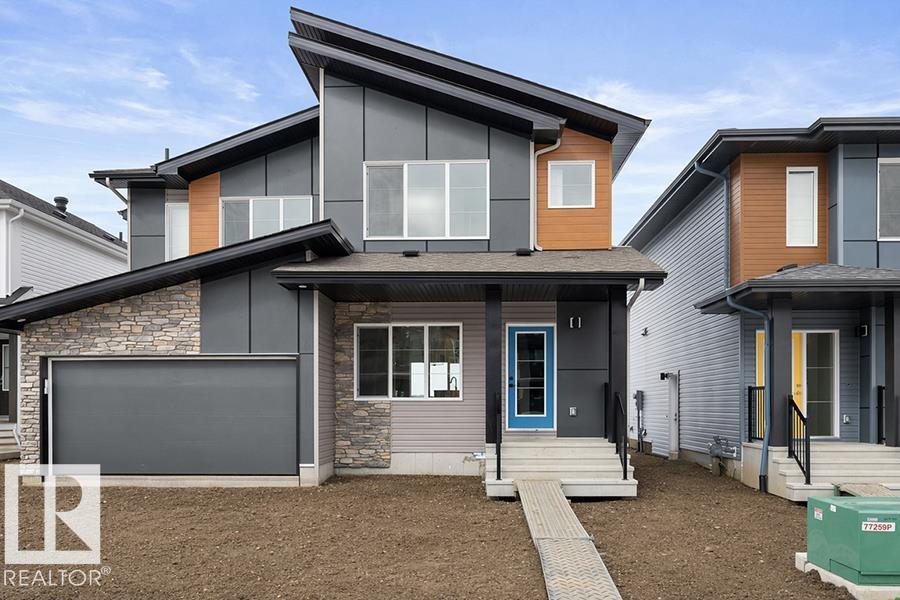 $414,600
 -
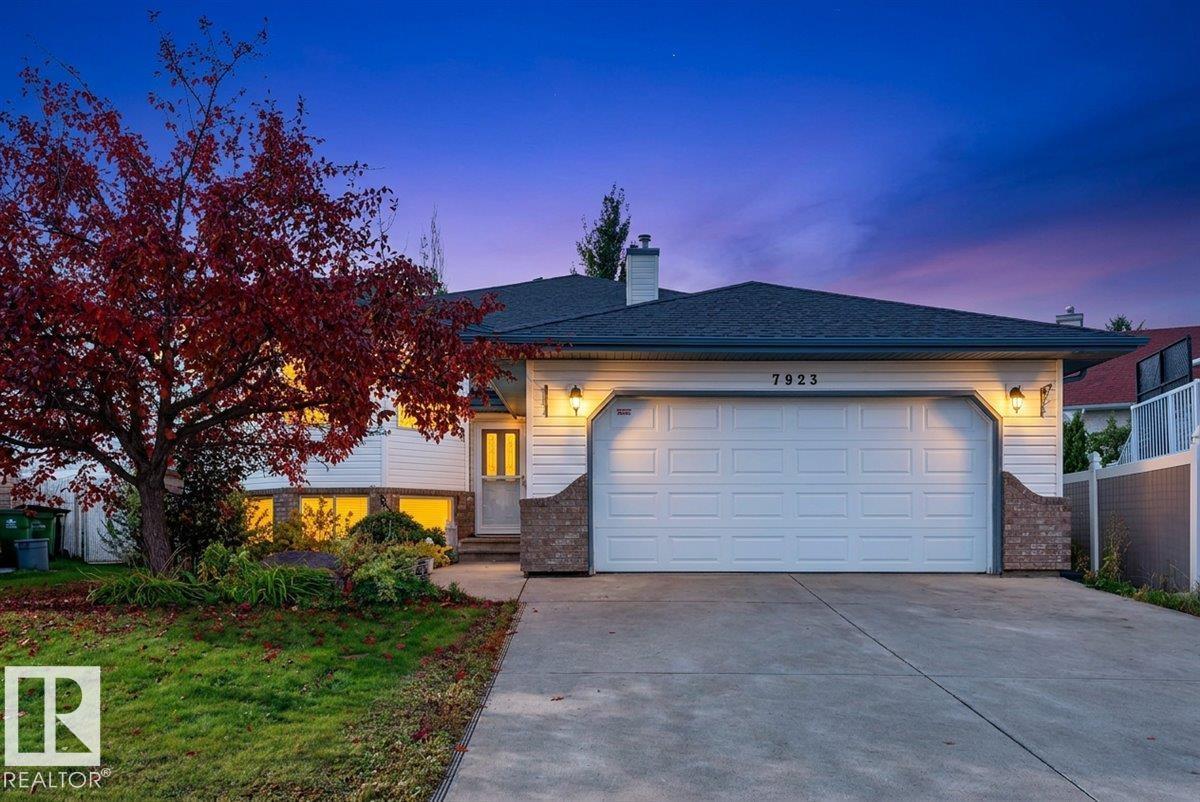 Courtesy Of Wasef Bzeih Of The E Group Real Estate7923 161 Avenue NW, Edmonton6 bd · 3 ba · 1,632 sq ft · 0.16 ac$549,900
 -
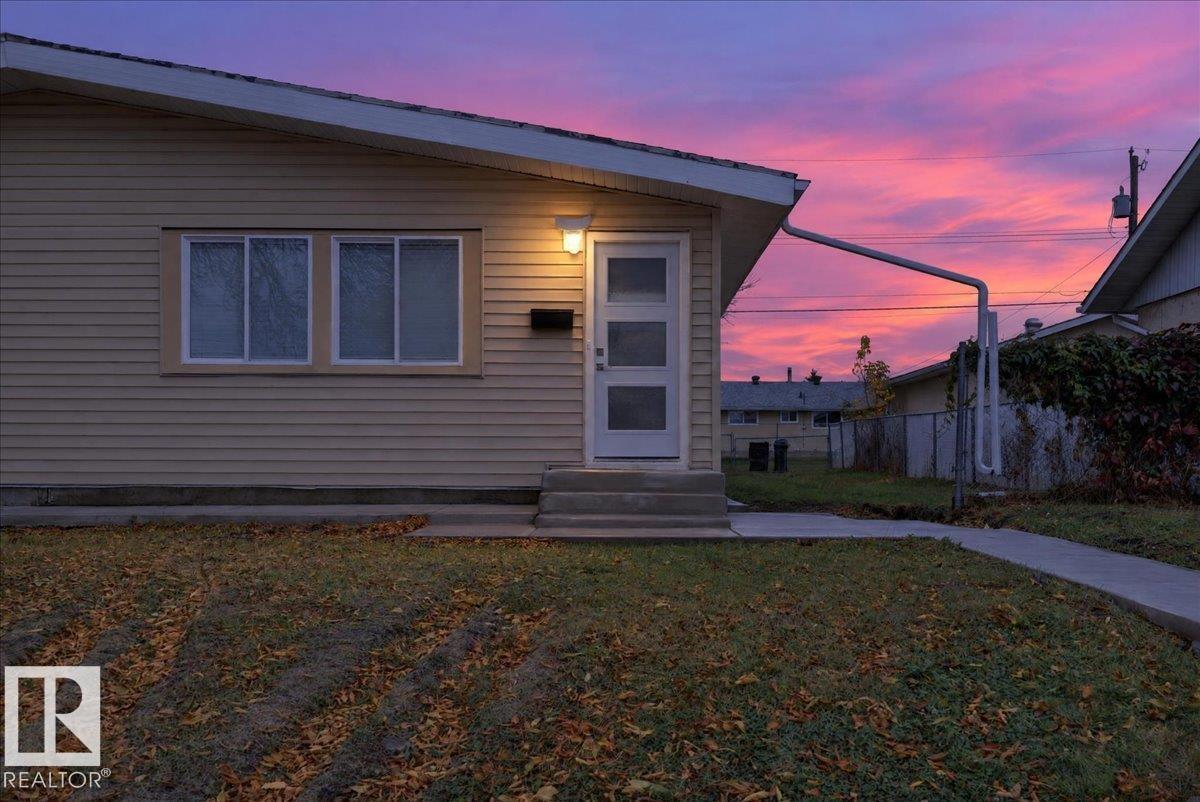 Courtesy Of Wasef Bzeih Of The E Group Real Estate13246 59 Street NW, Edmonton5 bd · 2 ba · 1,012 sq ft · 0.08 ac$399,900